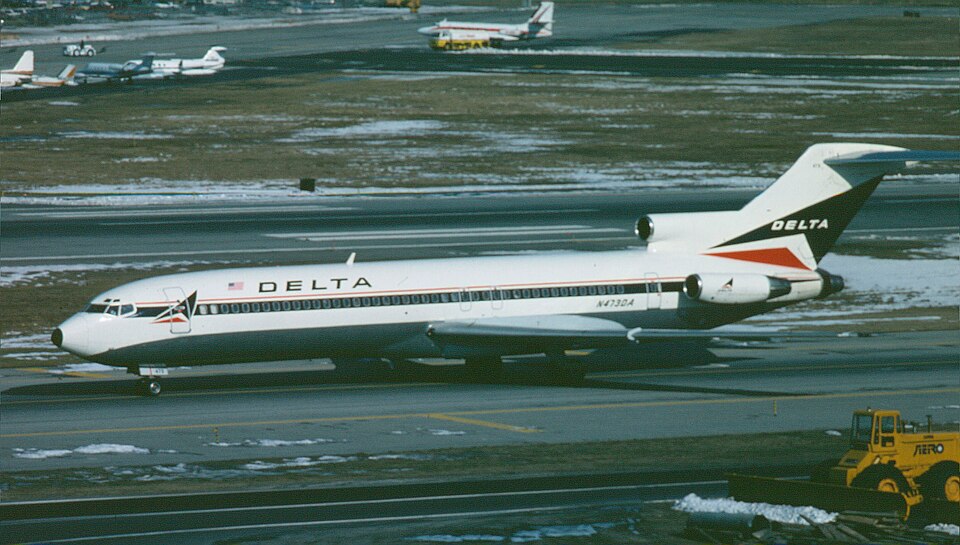
Sequence of Events
Delta Flight DL1141 departed from Gate 15 at 08:30 and was instructed to taxi to Runway 18L. The aircraft was cleared for takeoff at 08:59. The takeoff roll was uneventful until the rotation phase at 154 knots, approximately 6,017 feet down the runway. As the main gear wheels lifted off, the airplane began to roll violently. The right wingtip contacted the runway 1,033 feet after lift-off, followed by compressor surges. The aircraft continued and struck the ILS localizer antenna array about 1,000 feet past the end of Runway 18L. After impacting the antenna, the airplane remained airborne for an additional 400 feet, then struck the ground, traversed a depression, and slid sideways until it came to rest near the airport perimeter fence, approximately 3,200 feet from the runway end. Parts of the aircraft separated during the slide, and a fire erupted in the right wing area, quickly engulfing the rear right side of the airplane after it came to rest. Twelve passengers and two crew members were killed. The aircraft was destroyed.
Probable Cause
The investigation determined that the accident was caused mainly by the captain and first officer's inadequate cockpit discipline, which resulted in their attempt to take off without the wing flaps and slats properly configured, and the failure of the takeoff configuration warning system to alert the crew that the airplane was not properly configured for takeoff. Contributing to the accident were Delta's slow implementation of necessary modifications to its operating procedures, manuals, checklists, training, and crew checking programs, necessitated by significant changes following rapid growth and merger. Also contributing was the lack of sufficiently aggressive action by the FAA to correct known deficiencies at Delta and the lack of sufficient accountability within the FAA's air carrier inspection process.