3 fatalities

2008-08-30: Boeing 737-200 (YV102T) — Conviasa - Consorcio Venezolano de Industrias Aeronáuticas y Servicios Aéreos — Toacaso, Ecuador

Toacaso, EcuadorFlight

On August 30, 2008, a Boeing 737-200 (registration YV102T) operated by Conviasa - Consorcio Venezolano de Industrias Aeronáuticas y Servicios Aéreos was involved in an aviation accident near Toacaso, Ecuador in flight. 3 people were killed. Investigators recorded the probable cause as: Non-compliance by the crew of the technical procedures, configuration, speed and bank angle of the aircraft required for the completion of the initial turn of the Instrument Approach Procedure n°4 published in the AIP Ecuador, to Latacunga Airport, a failure… This summary draws on records from the Bureau of Aircraft Accidents Archives (B3A).

Sourcesthe Bureau of Aircraft Accidents Archives (B3A)Primary reportUpdated 1781197216Data APIEditorial standards
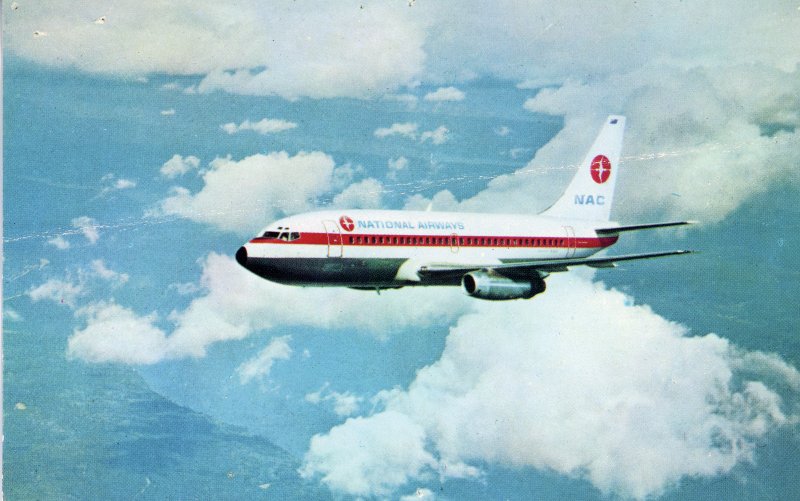
Boeing 737-200
Photo: San Diego Air & Space Museum Archives / Public domain, via Wikimedia Commons

A delivery flight from Caracas to Latacunga, Ecuador, ended when the aircraft struck Iliniza Volcano after a GPWS alarm. All three occupants were killed. The official investigation cited crew non-compliance with approach procedures and inadequate airline documentation.

Incident

An aircraft, recently sold to an Ecuadorian operator and parked at Caracas Airport, departed Caracas-Maiquetía-Simón Bolívar Airport in the evening on a delivery flight to Latacunga, Ecuador. The crew of three was cleared to descend to FL180, then FL150, and finally FL130. While flying over a mountainous area, the Ground Proximity Warning System (GPWS) alarm sounded. The crew apparently attempted to gain altitude, but the alarm continued for 22 seconds before the aircraft collided with the Iliniza Volcano. The aircraft disintegrated on impact, killing all three occupants.

Investigation

The wreckage was discovered the following day at an altitude of 3,992 metres. The official investigation determined the probable cause to be non-compliance by the crew with the technical procedures, configuration, speed, and bank angle required for the initial turn of the Instrument Approach Procedure n°4 published in the AIP Ecuador for Latacunga Airport. This failure placed the aircraft outside the protected area (published pattern), leading to high-elevation mountainous terrain. Contributing factors included the crew's ignorance of the area under the approach path and a lack of documentation and procedures by the airline governing flights to non-scheduled and special airports.