What happened
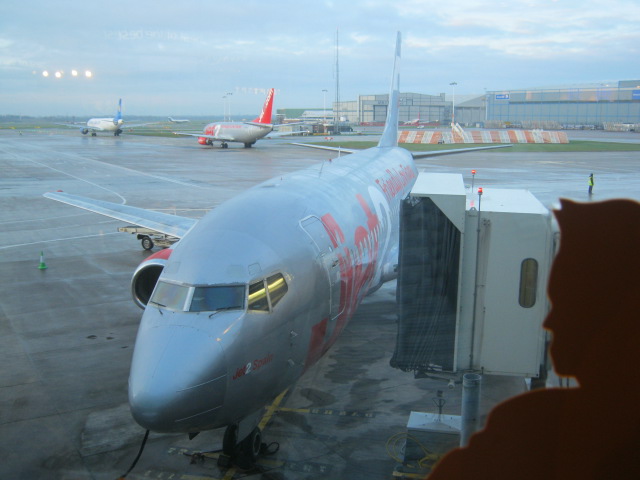
On 21 February 2009, a Boeing 737-33A, registration G-CELD, was performing a scheduled passenger service from Paris Charles de Gaulle to Leeds Bradford Airport. During the final stages of the approach to Runway 32, the aircraft encountered significant windshear. While the approach was initially stable, the aircraft experienced a 10-knot airspeed reduction at approximately 30 feet above ground level.
As the crew attempted to manage the speed loss, the aircraft's flight path became unstable. During the flare, the aircraft experienced a pronounced roll and yaw to the right. This movement was unexpected by the crew and resulted in the right engine nacelle making contact with the runway threshold. There were no injuries to the 5 crew members or 115 passengers on board.
The investigation
The AAIB investigation examined the Flight Data Recorder (FDR) and interviewed the crew. The FDR revealed that while the aircraft was initially maintaining its glideslope, a sudden roll and yaw occurred just before touchdown. The investigation noted that the aircraft's engines are positioned such that rapid changes in thrust can significantly impact pitch attitude.
Furthermore, the investigators identified a breakdown in cockpit communication. During the critical moments of the flare, there was confusion regarding which pilot was flying the aircraft, as the co-pilot believed a formal handover of control had occurred, while the commander recalled the instruction happening later during the landing roll.
Findings
- The primary cause of the incident was the encounter with windshear which induced a sudden loss of airspeed and subsequent control instability.
- A lack of a formal, acknowledged handover of control between the pilots contributed to the instability during the flare.
- The aircraft's physical response—a right-hand roll and yaw—was driven by the aerodynamic characteristics of the 737 when subjected to large yaw rates.
- The right engine cowling sustained damage upon contact with the runway surface, which left a 15-meter scrape mark on the threshold.