History of the Flight
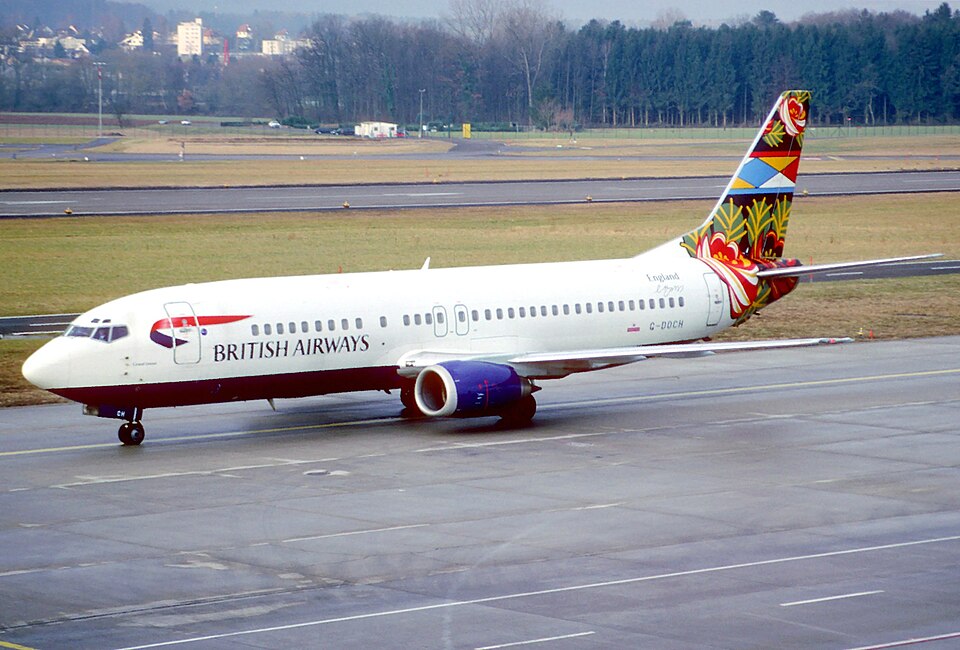
On 8 November 2002, a Boeing 737-436 (registration G-DOCH) operated a flight from London Heathrow to Kiev. The departure was uneventful until 1458 hrs, when, climbing through Flight Level 240, the commander heard three or four electrical crackling sounds. Shortly after, the cabin call aural warning sounded. Despite several attempts, neither pilot could establish contact with the cabin crew via the interphone. The first officer noticed a small amount of smoke in the area behind the commander; the commander smelled electrical burning. The pilots donned oxygen masks and completed the recall items for the 'Electrical Smoke / Fumes or Fire' checklist. The commander took control while the first officer retrieved the Quick Reference Handbook (QRH).
Banging on the locked cockpit door heightened concerns. The commander removed his mask, opened the door, and was met by water flowing from a panel in the roof between the forward toilet and galley. The cabin services director reported seeing sparks and flames from the panel about fifteen minutes after takeoff, followed by a continuous water stream. The cabin crew had attempted to notify the flight deck via interphone, which ceased working. One crew member turned off the water isolation valve, but water continued to pour. Towels were used to block water entry to the avionics bay. The cabin crew briefed passengers for a return to Heathrow.
The aircraft was levelled at FL260, and ATC was notified of a technical problem. ATC later suggested an emergency declaration and a turn toward Stansted Airport. The commander then declared a MAYDAY requesting an immediate diversion to Heathrow. The crew completed the smoke checklist and briefed for a monitored approach to Runway 27R. The commander took control at 1,000 feet and completed a normal landing. Fire services inspected the aircraft, finding a burnt wiring loom and a water supply hose still leaking. Passengers disembarked via buses.
Damage and Findings
Fire damage occurred to electrical wiring in the area of the drop-down ceiling panel immediately aft of the flight deck door. A braided steel water supply hose to the forward galley had been attached to a wiring loom using a simple electrical tie-wrap. Evidence of abrasion and arcing between the wires and the hose resulted in severing and shorting of several wires. The hose was too long for its intended application; excess length had been looped through the overhead area and secured by the tie-wrap to adjacent wire bundles. It was not conclusively determined when this attachment was made, but it was most likely a short-term expedient during disassembly or maintenance that was missed during reassembly.
No injuries were reported among the 6 crew and 68 passengers.