History of the Flight
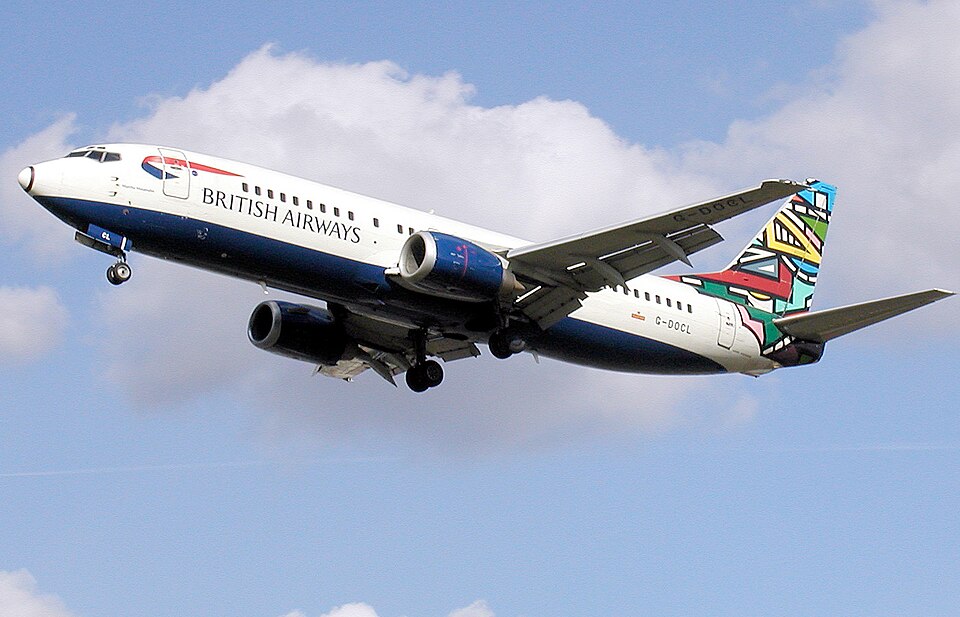
Following a normal takeoff from London Gatwick Airport, the flight crew received notification from the operator that debris had been found on the runway. All flight deck indications were normal, and the cabin crew reported no abnormal noises during takeoff and initial climb. A further message from the operator confirmed that the debris originated from G-DOCL and requested the aircraft return to Gatwick. At the time, the aircraft was under Brest Control but was transferred to London when it turned northbound. The crew declared a PAN due to the aircraft being above maximum landing weight and entered a holding pattern at FL240 to burn fuel. They consulted the Brake Cooling Schedule in the Quick Reference Handbook and reduced weight to below 53,000 kg. A normal flap 40 landing was conducted using manual speedbrake, maximum reverse thrust, and minimal pedal braking. The aircraft vacated the runway with airport fire services in attendance; no smoke or fire was generated.
Examination of the Aircraft
The aircraft operator inspected the aircraft and found that the outboard right main landing gear tyre had lost its tread but remained inflated (inflation pressure was not measured). Minor damage was noted to the right wing trailing edge and flap. A few days later, the inflation pressure of the inboard right main landing gear tyre was measured and found within normal operating limits.
Tyre History
The failed tyre was manufactured in 1998 and had undergone five retread processes, all performed by the manufacturer. It had been fitted to five different aircraft operated by the same airline and was removed each time due to tread wear. At the end of its third retread (R3), a deep cut was noted, but inspection confirmed the carcass was undamaged, and it was accepted for a fourth retread (R4). After the fifth retread (R5), a shearographic examination revealed two minor aberrations in the tread area, which were assessed as acceptable. At the time of the accident, the tyre was near its tread wear limit, with 297 landings since the last retread and 3,114 landings since manufacture.
Engineering Examination
Both right main landing gear wheels and tyres were removed and inflated to normal operating pressure. Immersion in a water tank revealed no leaks. The tyres were then removed from the rims and inspected; no internal damage or stress was found. The tyres and recovered tread pieces were sent to the manufacturer's retread facility. Detailed examination showed that the tread had separated from the carcass at the original manufactured carcass-to-tread interface for the full circumference and from shoulder to shoulder. The retread performed at R5 remained fully intact, with all tearing and separation below the retread area. No unsatisfactory adhesion at the retread interface was found. An area extending approximately half the width of the tread and 25 cm around the circumference showed tearing within and between the original tyre and the retread sub-tread material; this was identified as the initial separation site. No evidence of cut damage or significant under-inflation was found, but severe heat damage and discoloration (bluing) extended around the complete circumference of the tread. About 95% of the tread was recovered, but the section in the area of initial separation was not. Examination of the shearograph images from R5 showed one aberration located in the initial separation area. After the accident, re-examination of the carcass with shearography showed that the aberration was no longer evident, indicating it had been within the original sub-tread to top casing ply interface. An air needle injection test found no air leaks in the inner liner.
Conclusions
From the evidence available, it was not possible to fully establish the cause of the tread separation. The tread separation may have been attributed to either of the following: a small area of looseness and associated tread separation from a manufacturing flaw within the original sub-tread to casing interface, or progressive internal heat build-up over the tyre's life induced by extreme operational conditions, resulting in degradation and localised breakdown of component adhesion strength. The airline, which operates a large fleet using this tyre size and type, had not experienced this form of failure in the previous 15 years.