Incident Overview
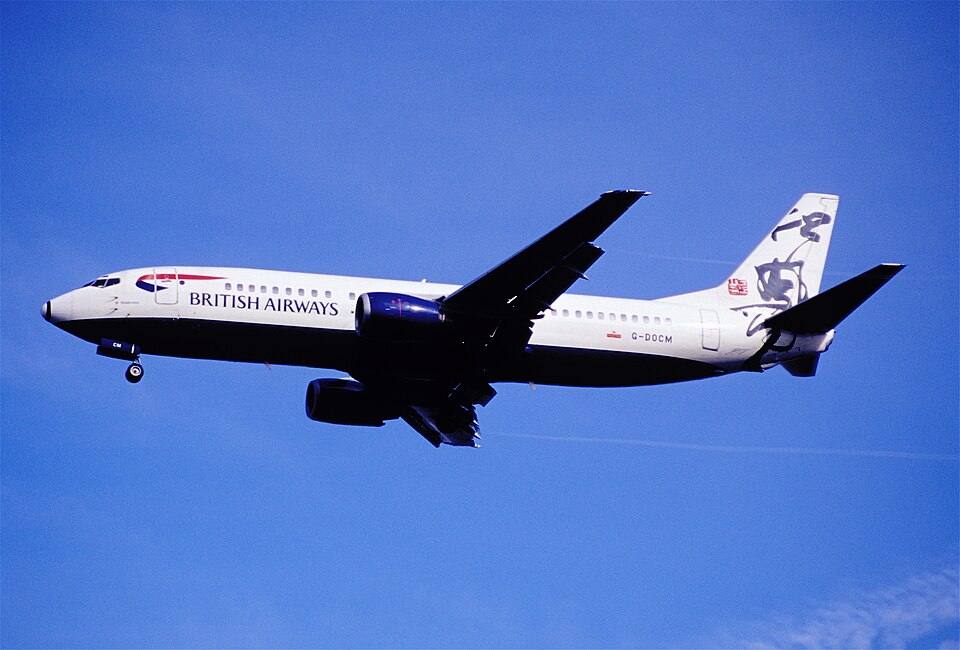
On 5 January 1999, a Boeing 737-436 (registration G-DOCM) operated a scheduled passenger flight from Helsinki to London Gatwick. The flight deck crew consisted of an experienced commander and a relatively inexperienced first officer. The departure from Helsinki occurred in poor weather, requiring a high workload, but the first officer performed satisfactorily despite having had insufficient sleep the previous night.
Descent and Medical Event
The flight was uneventful until the aircraft began its descent from Flight Level 270. The commander requested the Descent Checklist. The first officer retrieved the checklist but was unable to read it coherently, uttering what the commander described as 'gibberish'. Shortly thereafter, she suddenly twisted violently in her seat and her body became rigid, causing her to apply a significant amount of rudder input. This movement was felt in the passenger cabin.
Commander's Response
The commander immediately disconnected the autopilot and centralised the rudder. He called for assistance from the cabin crew and transmitted a MAYDAY, reporting that the first officer was incapacitated and requesting a priority landing.
Cabin Crew Assistance
Upon arrival on the flight deck, cabin crew administered oxygen to the first officer and attempted to remove her from her seat. Despite her slight build, extraction was difficult without interfering with the commander's control of the aircraft. Eventually, they succeeded in moving her to the forward galley area, where she was placed in the recovery position and given first aid. A call for a doctor among the passengers received no response.
Air Traffic Control and Landing
Air traffic control transferred the aircraft to a standby frequency and vectored it for an approach to Runway 26 at Gatwick. A delay in obtaining descent clearance occurred due to a spurious emergency transponder return on the Processed Radar Display System, which indicated another aircraft near G-DOCM. Technical investigations later determined this was an isolated occurrence unlikely to re-occur.
The commander elected to fly the approach without assistance from the right-hand seat. He completed a night landing without incident and shut down the aircraft clear of the runway, where emergency services, including a paramedic, were waiting. The paramedic boarded and tended to the first officer until an ambulance arrived approximately 20 minutes after landing. The first officer was then transferred to hospital and recovered after several hours. Her medical condition remained under assessment.