What happened
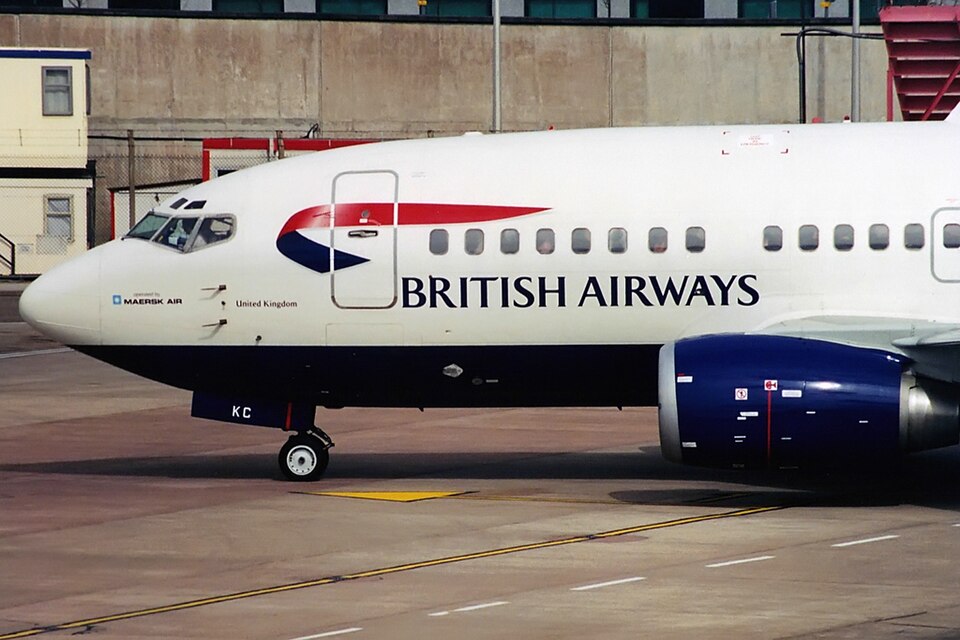
On 23 December 1997, a Boeing 737-5L9, registration G-MSKC, was performing a scheduled public transport flight from Belfast Aldergrove Airport to Birmingham. During the initial climb through FL1145, the crew activated the engine anti-ice system. Immediately following this action, the crew heard loud popping noises and observed illuminations from the No 2 engine area. This was accompanied by a significant increase in engine vibration and a noticeable right-hand bank of the aircraft.
Flight data indicated that as the anti-ice was engaged, the No 2 engine's N1 speed dropped sharply from 90% to 49%, while Exhaust Gas Temperature (EGT) rose significantly. The crew declared a 'Mayday' and, after attempting to manage the thrust, decided to shut down the No 2 engine. The aircraft subsequently descended to 10,000 feet and returned to Belfast Aldergrove Airport, where it landed without further incident. There were no fatalities and no injuries among the 66 people on board.
The investigation
Investigators examined the flight recorders and conducted an extensive on-wing and off-wing examination of the engines. The investigation revealed that the No 2 engine had sustained severe internal damage, specifically to the Low Pressure Turbine Rotor blades, caused by the release of a section of the High Pressure Turbine Rotor (HPTR) rear shaft seal.
Metallurgical analysis of the failed seal at DERA Farnborough identified a circumferential fracture. While the base alloy met specifications, investigators noted that the nickel-aluminium bond coat was not in optimum condition, showing signs of disbonding from the nickel substrate. The investigation also reviewed a series of similar airborne failures of the HPTR rear shaft seal in CFM56-3 engines occurring since 1995, noting a potential clustering of serial numbers from a specific manufacturer.