Incident Details
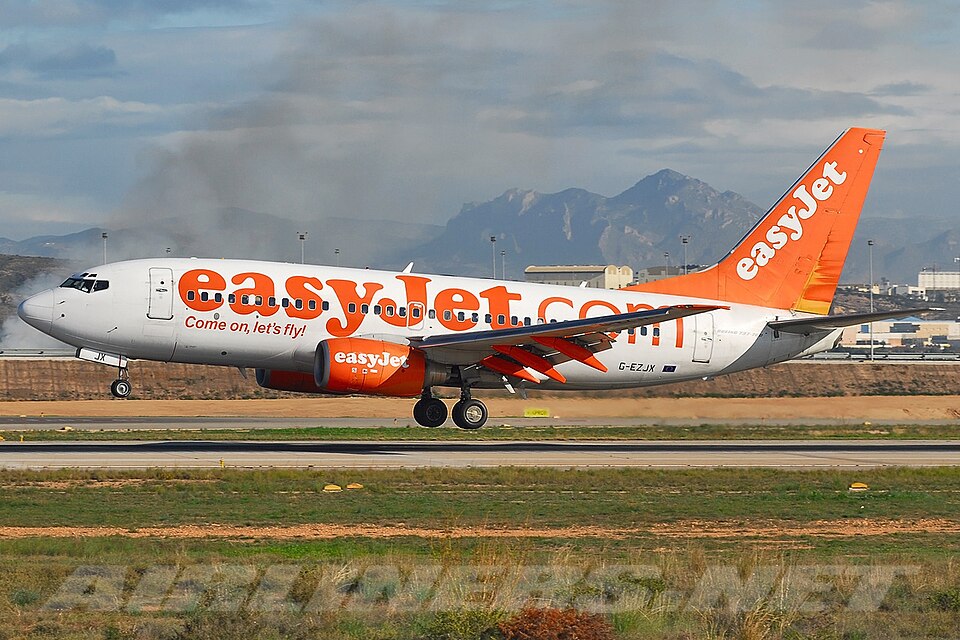
On 5 December 2004 at 0733 UTC, a Boeing 737-73V (registration G-EZJX) was commencing a takeoff from Runway 25 at Newcastle Airport. The runway length was 2,329 metres (7,640 feet). As the aircraft accelerated to approximately 115 knots, the flight crew observed a flock of birds ahead on the runway. Simultaneously, they heard a loud bang, felt vibration, and noted a surge in the number one engine. The commander rejected the takeoff at a speed of 122 knots (V1 was 127 knots) and brought the aircraft to a stop on the runway, leaving 1,067 metres (3,500 feet) of remaining runway.
Weather and Conditions
The weather conditions were good, with surface wind from 270° at 10 knots, visibility of 20 km, and temperature 7°C. Local sunrise was due at 0813 hours. The prevailing light conditions were such that the crew had little opportunity to see the birds before impact.
Aircraft and Crew
The aircraft was a Boeing 737-73V equipped with two CFM56-7B20 turbofan engines, manufactured in 2003. On board were 5 crew and 96 passengers. The commander, aged 34, held an Airline Transport Pilot's Licence and had 5,400 hours total flying experience, with 4,950 hours on type. The crew reported one minor injury among the crew; no passenger injuries were reported.
Bird Strike
Following the incident, an engineering inspection found evidence of three impacts with birds: two on the left engine and one on a left wing slat. There was no permanent damage to the aircraft. The birds were identified as grey partridges, which typically fly close to the ground and are difficult to detect in long grass. The airfield has open areas of grass mown to approximately 8 inches (0.25 metres). Three bird patrols were conducted at the airport on the morning prior to the incident, each recorded as 'nothing to report.' On the day before, an airport-based Police Officer spoke with a shooting party near the northern boundary fence, as there were concerns that beaters were driving birds towards the airfield and that guns were being carried close to the airfield. The airport operator has since written to the farmer of adjacent land requesting that shooting activities not be carried out in the vicinity of the airfield.
Aftermath
After stopping, the crew contacted the Airport Fire Service on frequency 121.6 MHz to check the aircraft's condition. They were advised of some smoke from the right main landing gear, so the commander decided to disembark the passengers on the runway. The aircraft was subsequently towed to the parking area. The commander had a very short time to decide whether to continue the takeoff or stop; the physical evidence of engine damage likely influenced his decision, and the aircraft came safely to a stop with sufficient runway available.