Introduction
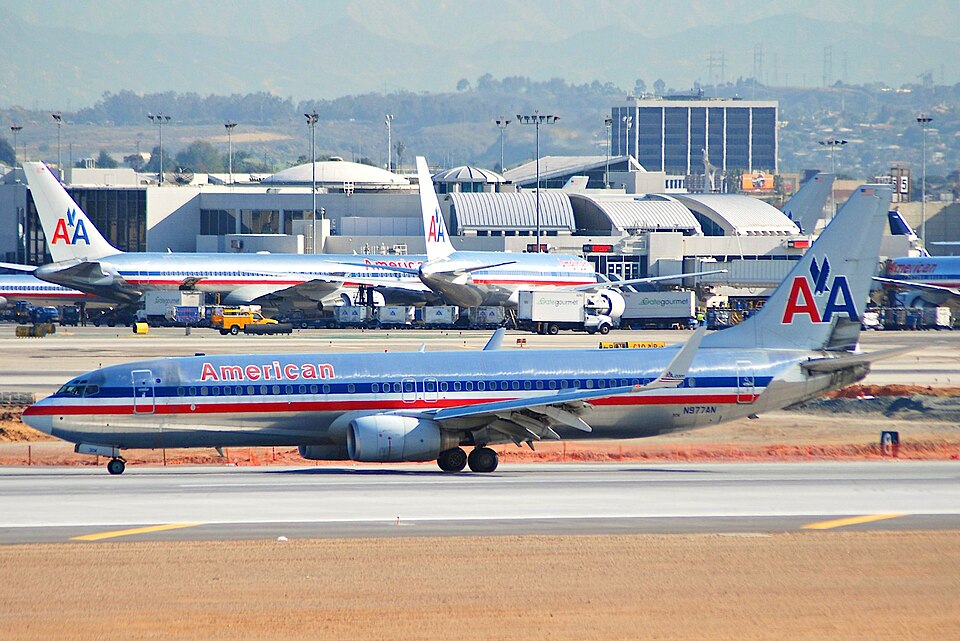
On 22 December 2009, American Airlines Flight 331, operating as a scheduled passenger service from Miami International Airport (KMIA) to Norman Manley International Airport (NMIA) in Kingston, Jamaica, overran runway 12 upon landing. The aircraft, a Boeing 737-823 registered as N977AN, carried 148 passengers (including three infants) and six crew members.
Accident Details
The flight departed Miami at 20:22 Eastern Standard Time (01:22 UTC on 23 December) under an instrument flight rules flight plan. The landing at Kingston occurred at 22:22 EST (03:22 UTC) in darkness and instrument meteorological conditions. The crew flew an Instrument Landing System approach using the head-up display and became visual approximately two miles from the runway.
The aircraft touched down approximately 4,100 feet (1,200 m) down the 8,911-foot (2,720 m) dry runway, in heavy rain and with a 14-knot left quartering tailwind. Unable to stop within the remaining 4,811 feet, the aircraft overran the runway end at a ground speed of 62 knots. It then broke through a fence, crossed a road below the runway level, and came to rest on sand dunes and rocks between the road and the Caribbean Sea. No post-crash fire occurred.
Injuries and Damage
The aircraft was destroyed; the fuselage broke into three sections, the left landing gear collapsed, the right engine and landing gear were torn off, the left wingtip was severely damaged, and the right wing fuel tanks ruptured, spilling jet fuel onto the beach. Of the passengers, 134 sustained minor or no injuries, while 14 were seriously injured (none life-threatening). None of the flight or cabin crew were seriously injured, and they assisted passengers during the evacuation.
Investigation
Jamaican Director General of Civil Aviation Col. Oscar Derby noted that the jet touched down about halfway down the runway. He cited factors including tailwinds and a rain-soaked runway; the runway lacked rain-dispersing grooves common at larger airports. The aircraft carried a relatively heavy fuel load for a round trip back to the United States. Flight data recorder analysis revealed the touchdown point of 4,100 feet, far beyond the normal 1,000–1,500 feet. The aircraft departed the runway at 72 miles per hour (116 km/h). The tailwind component was 16 miles per hour (26 km/h), just within the aircraft's limit of 17 miles per hour (27 km/h).