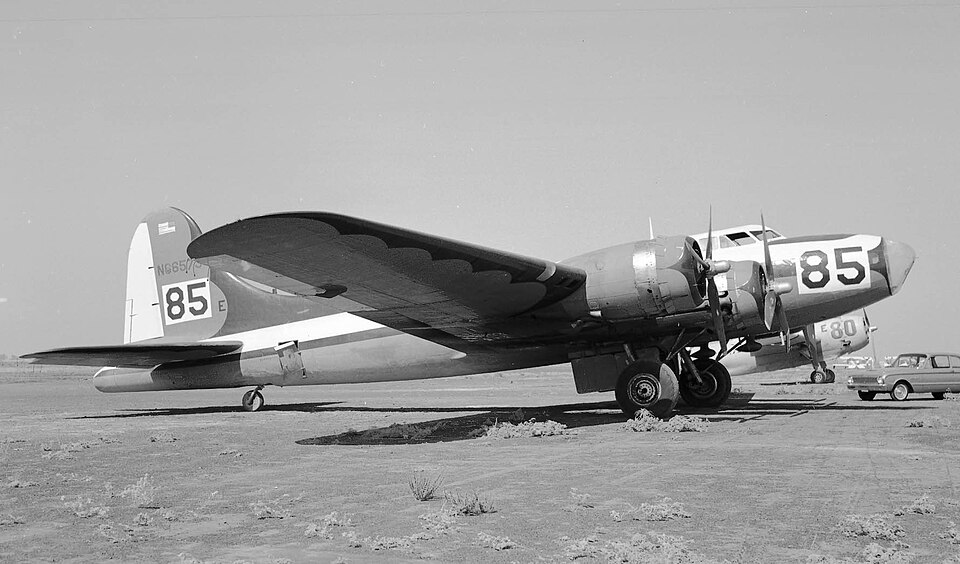
Accident Overview
On a firefighting mission in the Lolo National Forest, an airtanker (Tanker 10) departed its base airfield at 1748LT. The aircraft carried two pilots and a load of 1,800 gallons of retardant. The fire was located near the top of a mountainous ridge on an even slope that provided an easy target for a retardant drop.
Flight Sequence
The crew made a high pass over the fire area followed by a second approach. No retardant was dropped during these passes. Immediately after the airtanker passed over the drop target, it executed a steep left turn and impacted a densely timbered hillside. Ground impact occurred in an estimated 5 to 10° nose-low attitude and approximately a 40° left bank. The airplane crashed into trees and was destroyed. Both crew members were killed.
Probable Cause
The investigation team determined that during the sequence of events, the airtanker's flight path during the left turn was taking it too close to the mountainside. This required more bank angle and gravity forces to increase the rate of turn and hold altitude in order to clear the mountainside. As bank angles and load factors increased, induced drag, which predominates at low speeds, also increased dramatically. These factors would have required significant increases in power to maintain flight and preclude stalling. The airtanker's situation, already critical because of its low airspeed, low altitude, and the turning space restriction, was compounded by the additional bank angle and increased load factor. The fringe of a stall was entered and aggravated by the addition of aileron and elevator input to increase the rate of turn. Power was insufficient to maintain flight, and a few seconds later the airtanker completely stalled when performance demands could not be maintained. Close proximity to the ground precluded the use of normal stall recovery techniques, and the airtanker descended into the trees.