Accident Details
On the first leg of an international flight from Houston to Châlons-Vatry, France, the airplane landed at Bangor International Airport at 1809 local time. After a brief stop on the apron, it was taxied to the deicing pad, where it remained from 1917 to 1936. Following the deicing procedure, the crew taxied to runway 33 and received takeoff clearance at 1944.
During the takeoff roll, the aircraft accelerated for about 1,700 metres and reached a speed of 152 knots. As the airplane entered initial climb, control was lost. It rolled to the right, flipped over, and crashed into snow-covered terrain, coming to rest upside down. A post-crash fire partially consumed the wreckage.
Occupants
All six occupants were killed. The crew consisted of pilot Jacob Hosmer and two additional crew members. The passengers were identified as Tara Arnold, Shawna Collins, and Nick Mastrascusa.
Weather Conditions
At the time of the accident, weather conditions were poor with snow falls, limited visibility, and an outside air temperature of -17°C.
Aircraft Information
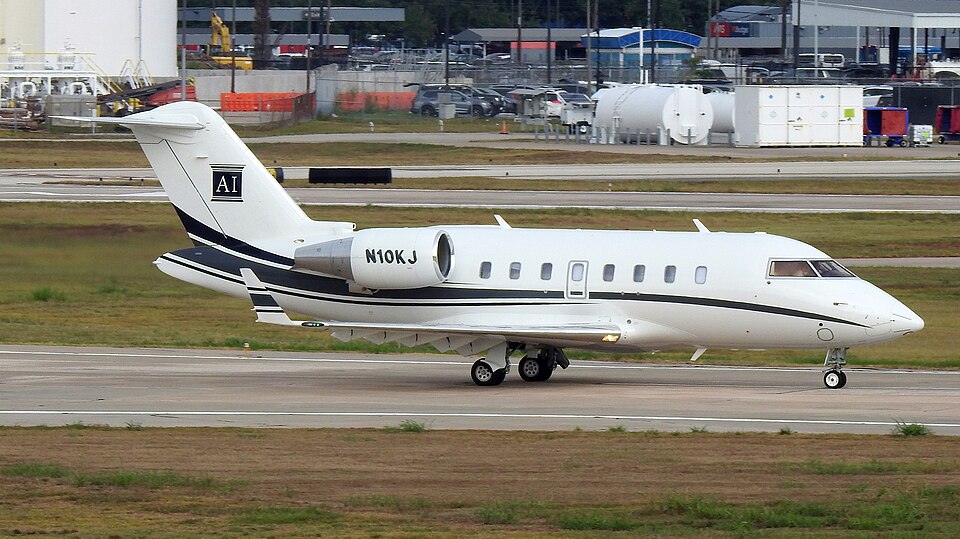
The aircraft was a Bombardier Challenger 650, which the source notes was the first of its type to be destroyed in an accident.