Introduction
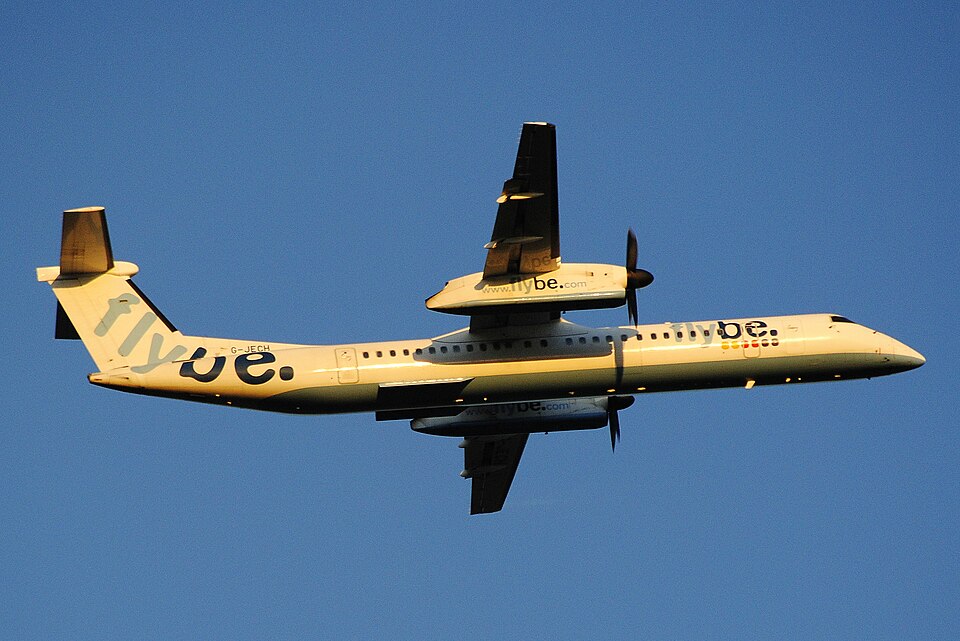
On 12 October 2011, a Bombardier DHC-8-402 Dash 8, registration G-JECH, experienced a cabin depressurisation incident while descending near Brussels Airport, Belgium. The aircraft, equipped with two Pratt & Whitney Canada PW150A turboprop engines, was operating a scheduled commercial passenger flight from Manchester Airport to Brussels Airport. On board were four crew members and 49 passengers; no injuries were reported.
Flight History
The incident occurred during initial descent from Flight Level 250 (FL250) to FL200. The crew perceived a reduction in cabin pressure, accompanied by mild inner ear pain. The cabin pressure control panel indicated a cabin altitude rate of climb exceeding 3,000 feet per minute, with the cabin altitude climbing above the set level of 7,000 feet. The commander, who was piloting the aircraft, instructed the first officer to request a continuous descent to FL100 from air traffic control.
Cabin crew reported a loud 'pop' sound from the rear of the aircraft, followed by the noise of air escaping from the rear left galley area. Shortly thereafter, the red CABIN PRESS warning caption illuminated on the caution warning panel. Both pilots donned their oxygen masks, and the commander initiated an emergency descent in accordance with the emergency checklist. The transponder was set to 7700, and a MAYDAY was declared.
Emergency Descent and Outcome
The commander stopped the descent at FL80, where the crew assessed the situation. After confirming with cabin crew that passengers were not in distress, and observing that the cabin pressurisation system had stabilised the cabin altitude at 2,000 feet, the commander cancelled the MAYDAY, reset the transponder to the previously assigned code, and decided to continue to Brussels Airport. The aircraft landed without further incident.
Engineering Examination
Following the incident, the operator's maintenance personnel inspected the aircraft. They determined that the inflatable seal on the aft baggage compartment door had split, allowing the aft baggage bay to depressurise. This caused the 'blow-out' panels on the bulkhead separating the aft baggage compartment from the passenger cabin to open, resulting in the 'pop' sound and subsequent depressurisation of the passenger cabin. After descending to FL80, the rate of cabin air leakage past the door seal was low enough for the pressurisation system to stabilise the cabin altitude at 2,000 feet. The operator is collaborating with the aircraft manufacturer to identify a more reliable door seal material.