Synopsis
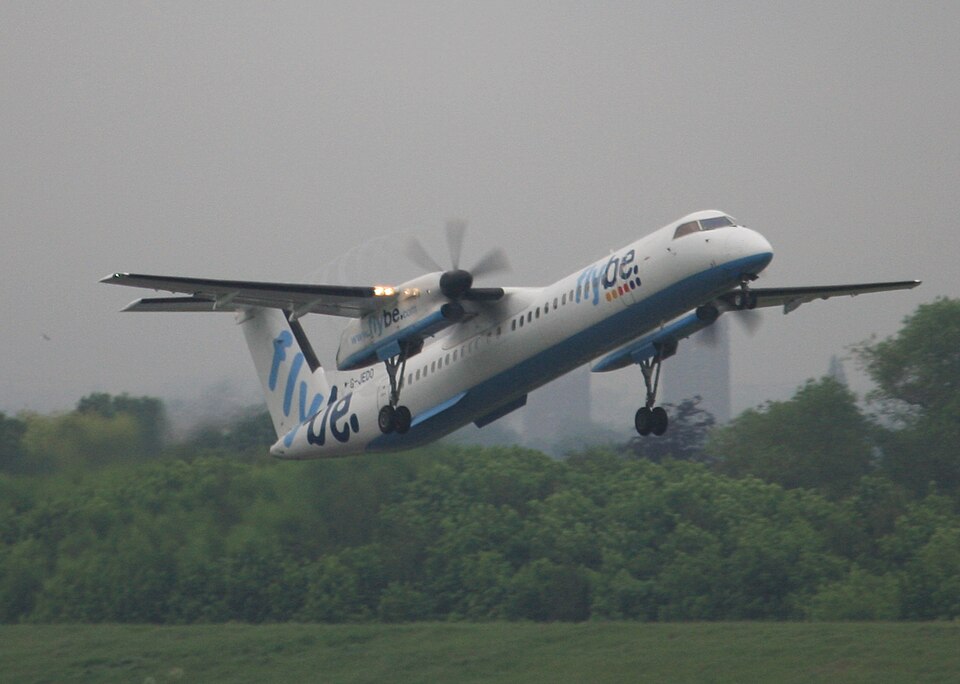
On 23 February 2006, a Bombardier DHC-8-402 Dash 8 (registration G-JEDO) was being de-iced at Southampton International Airport when a de-icing vehicle struck the aircraft. The impact damaged the fuselage but no injuries occurred, and there were no hydraulic leaks or fire. The crew informed ATC and an airport rescue and fire fighting vehicle attended the scene.
History of the Flight
After passenger boarding was completed, the commander requested de-icing. The de-icing vehicle was positioned between the right wing and right horizontal stabiliser. With passengers seated but cabin crew still standing, a loud bang was heard and the aircraft jolted side to side, followed by a second bang. The commander informed passengers that a ground vehicle had struck the aircraft and instructed them to remain seated. The crew contacted ATC, and rescue services arrived quickly. The fuselage damage was visible, but no fire, hydraulic leaks, or injuries were reported.
Vehicle Driving Procedures
The de-icing vehicle driver had recently completed training on the vehicle. According to the ground services company, newly qualified drivers are normally accompanied by an experienced staff member until deemed no longer necessary, but on this occasion the driver had declined such assistance. Another staff member was in the passenger seat but was completing paperwork and did not see the incident.
The driver had positioned the vehicle behind the right wing, about 10 ft from the fuselage, stopping when instructed by the platform operator via headset. While applying the parking brake, the driver inadvertently depressed the accelerator, causing the vehicle to lurch forward. Panicking, the driver then pressed the accelerator again instead of the footbrake, and the vehicle struck the right side of the fuselage.
It was reported that the normal procedure is for the de-icing vehicle to move anticlockwise around the aircraft, but on this occasion it followed a clockwise route. The ground services company reviewed the accident and indicated its intention to reinforce supervision of newly qualified de-icing vehicle drivers.