History of the Flight
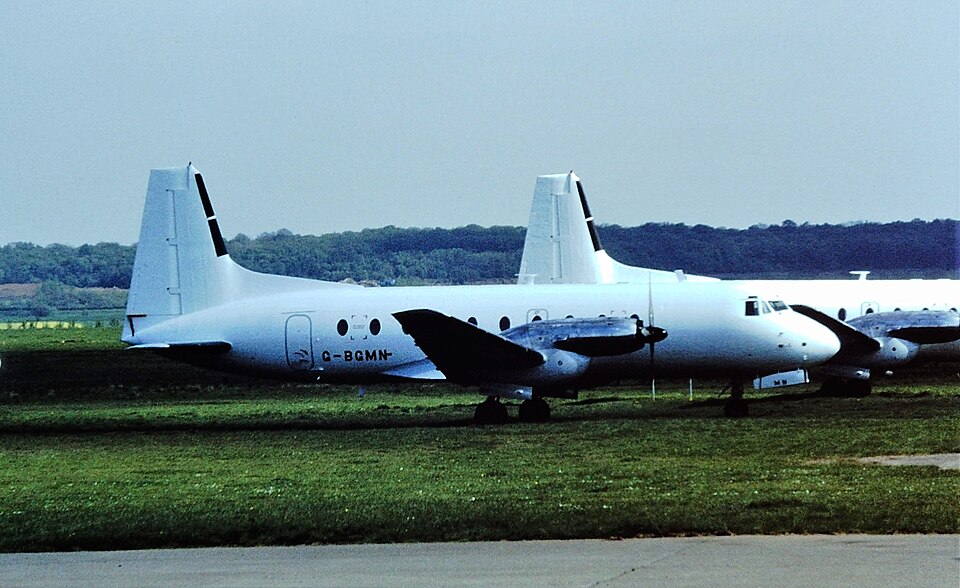
The aircraft, a British Aerospace HS.748 Series 2A (G-BGMN), operated a cargo flight from Ronaldsway to East Midlands on the evening of 27 January 2005. The crew rested locally before reporting at 0505 hrs on 28 January for a return flight to Ronaldsway. The aircraft had been loaded overnight with 5,098 kg of mail in the crew's absence. During pre-flight, the commander noted a deferred defect in the technical log regarding poor pressurisation system performance. The crew started engines and taxied for Runway 27. Takeoff appeared normal, but during climb the aircraft failed to pressurise, which was expected given the reported defect. The crew adjusted their cruising altitude and opened the pressurisation dump valve. The flight proceeded without further incident until landing at Ronaldsway, when ground crew noted the left over-wing emergency escape hatch was missing. The commander believed it detached during takeoff and alerted East Midlands Airport. The missing hatch was later found adjacent to the runway at East Midlands.
Aircraft Layout
The aircraft had been converted to a Class E freighter configuration, allowing bulk cargo loading with nets and partitions. The cabin liner covered windows except for the two over-wing emergency escape hatches. Rectangular covers, secured with Velcro, were normally affixed over the hatches during cargo operations to prevent inadvertent handle operation. However, on this flight, the covers were found loose on the cabin floor after unloading.
Investigation Findings
Examination of the hatch revealed impact damage on its lower corners, indicating it had rotated during takeoff. The latching mechanism functioned correctly and required moderate force to move the internal handle. The investigation established that the protective cover over the left over-wing emergency escape hatch handle was not attached prior to loading. Movement of cargo during takeoff likely caused the handle to move to the open position, allowing the hatch to detach. Witness statements varied: the loading supervisor at Ronaldsway reported the covers were not positioned over the hatches when loading began, while loaders at East Midlands disagreed whether covers were fitted there. Additionally, deficiencies were identified in the operator's training and oversight of contracted loading staff. The commander did not enter the rear fuselage during his external inspection due to obstructions, and neither he nor the loading supervisor referenced the missing covers.
Outcome
The aircraft sustained minor scratches on the wing upper surface and severe damage to the over-wing exit hatch. No injuries occurred to the two crew members. The investigation made four safety recommendations addressing training and oversight.