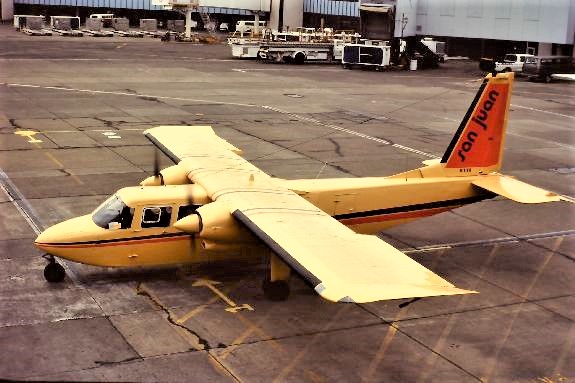
Accident Summary
The pilot of an aircraft encountered adverse weather conditions including low ceilings, rain, and fog while navigating through a narrow mountain pass. The pilot successfully reversed course to exit the pass. However, the aircraft then entered a small canyon that branched off the main pass. This canyon terminated in a small bowl covered by a glacier, surrounded by steep rock walls. Realizing the situation, the pilot initiated a turn to reverse course. During this turn, it became apparent that there was insufficient space to complete the maneuver before the aircraft would collide with a rock wall. The pilot then retarded the throttles and executed a crash landing on the glacier. The impact resulted in the death of one passenger.
Investigation Findings
The official investigation determined that the accident was an in-flight collision with terrain occurring during maneuvering in a turn to reverse direction. The findings identified the terrain condition as a blind or box canyon. The pilot in command was cited for improper in-flight planning and decision-making. Weather conditions included low ceiling, rain, and fog. Additionally, the aircraft weight and balance had been exceeded by the pilot in command.