Incident Overview
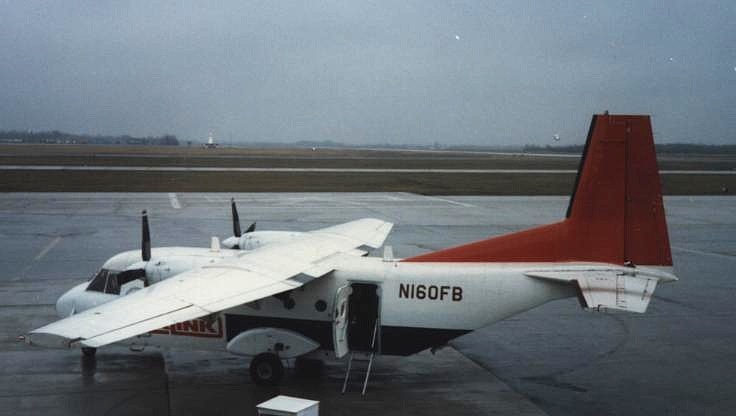
At 14:30, the flight was cleared for a visual approach to runway 21R and cleared to land one minute later. During the final approach, at a height of 60 to 70 feet, the aircraft experienced a sudden violent yaw to the left and banked left 80 to 90 degrees while descending. Subsequently, the aircraft rolled right and struck the ramp area, 1,010 feet inside and to the left of the runway 21R threshold. The aircraft then skidded 398 feet, collided with three ground support vehicles in front of Gate F10 at Concourse F, and caught fire.
Casualties and Damage
Both pilots and seven passengers were killed. Ten other occupants sustained injuries. The aircraft was destroyed by impact and fire.
Probable Cause and Contributing Factors
The official investigation determined that the probable cause was the captain's inability to control the airplane in an attempt to recover from an asymmetric power condition at low speed. This condition resulted from the captain's intentional use of the beta mode of propeller operation to descend and slow the airplane rapidly on final approach for landing. Contributing factors included an unstabilized visual approach, the presence of a departing DC-9 on the runway, the desire to make a short field landing, and higher-than-normal flight idle fuel flow settings of both engines. Additionally, the lack of fire-blocking material in passenger seat cushions contributed to the severity of the injuries.