Accident Overview
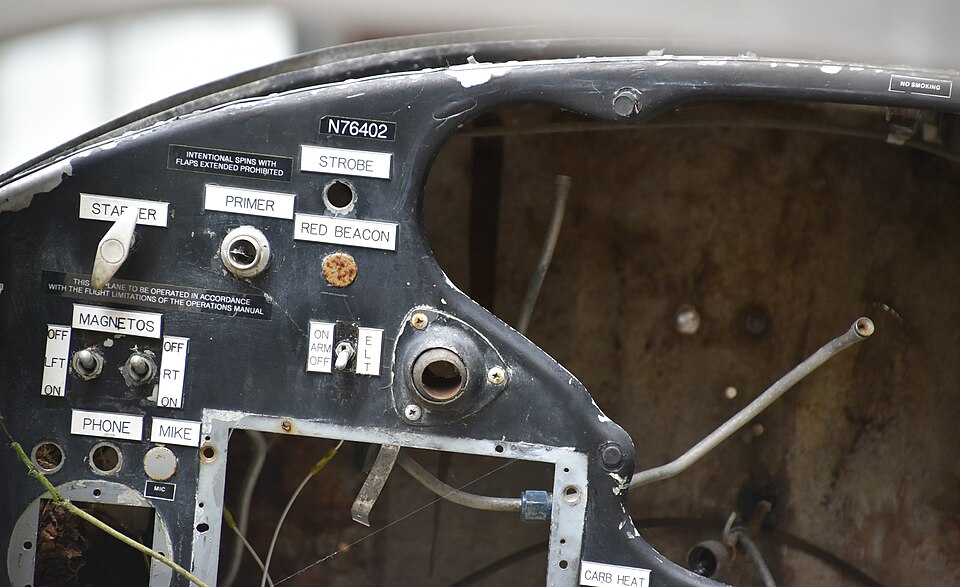
On 9 August 1998, a Cessna 140 (registration N76402) was engaged in a private flight in the Cranfield area. The pilot, aged 33 with 236 total flying hours (36 on type), and a passenger were on board. The aircraft was manufactured in 1947 and powered by a single Continental C85-12F piston engine. During the flight, the engine performed normally at altitudes between 1,500 and 2,000 feet in good visual conditions.
Sequence of Events
After approximately 50 minutes of flight, the pilot was preparing to return to Henlow. Over Chicksands, he radioed Henlow for rejoin and was cleared for a straight-in approach to Runway 09L. Descending to 1,000 feet agl on long finals, the pilot selected carburetor heat and reduced power for a normal approach at 70 mph. Shortly thereafter, the engine note dropped; the propeller continued to windmill but the engine produced no significant power. The pilot checked throttle position, confirmed carburetor heat was on, switched fuel tanks, and recognizing the likelihood of power restoration failure, decided to carry out a forced landing.
Unable to glide to Henlow, the pilot elected to land at Meppershall Airfield, which he knew and could see. He broadcast a MAYDAY call on Henlow frequency stating the emergency and intentions. While entering the pattern for Meppershall, attempts were made to restore power by reselecting fuel tanks and toggling carburetor heat. On finals for Runway 02, the pilot realized he was high and attempted to lose height by applying full flap and side-slipping. However, passing the midpoint of the strip still airborne, it became apparent he would not land before the hedge at the far end. As the aircraft approached the northern boundary, the pilot pitched up and turned left to clear trees and cables, instinctively advancing the throttle—the engine responded with a short burst of power.
Clearing the trees, the pilot pitched nose down and turned right away from another set of power cables. Close to the ground at low speed, he leveled the wings and attempted to flare. Immediately after touchdown, the right main landing gear collapsed, the aircraft turned right, and the nose impacted heavily. Both occupants, restrained by four-point harnesses, exited uninjured.
Investigation Findings
After recovery, investigations focused on the cause of the power loss. Initial assessment of the fuel system revealed a blockage at the carburetor inlet. The carburetor, a Stromberg type NA-S3A1 (Part No 3801672), was stripped. The float chamber needle valve seat was found unscrewed from the housing to the point where, with the float chamber nearly empty and the float 'grounded', the needle valve was closed, preventing fuel entry. The seat and housing had wire locking holes but no locking was present.
Aircraft technical records indicated the carburetor had been worked on in November 1997 during an annual check. The work included carburetor repair: addressing overflow, refacing the needle valve seat, polishing the needle valve tip, lapping the valve and seat, and resetting the float chamber level. The manufacturer's overhaul manual specifies torquing the float needle seat to 90-100 inch-pounds and locking it after float level adjustment. The absence of lockwire allowed the seat to unscrew, leading to the power loss.
Probable Cause
The carburetor needle valve seat had come unscrewed from the float chamber housing, blocking fuel flow.