History of the Flight
The student pilot, flying solo, was practicing circuits at Netherthorpe Airfield using grass Runway 24. The landing distance available was 370 m (1,220 ft). The weather was clear with a surface wind from 180° at 5 kt.
Landing and Sequence of Events
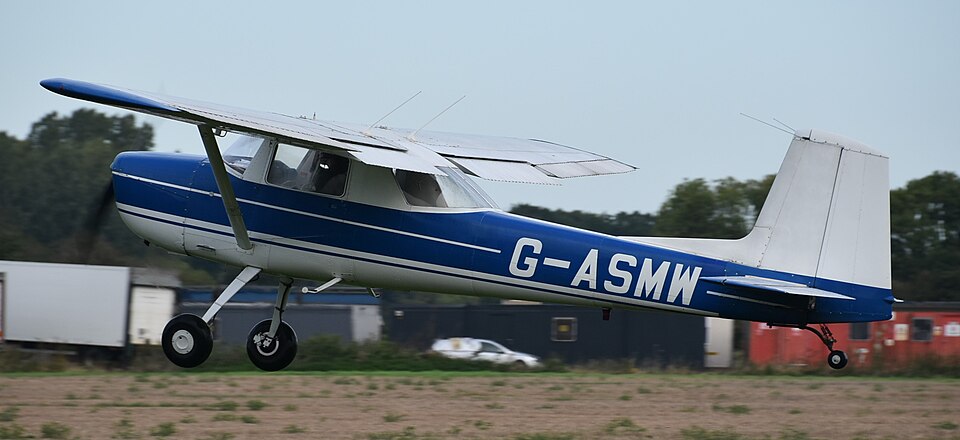
The pilot selected flap 30° for landing, her normal setting. She reported that the approach was slightly fast but not excessive for the conditions or runway length. During the flare, the aircraft ballooned slightly. In attempting to correct, the pilot made a nose-down touchdown. The aircraft bounced, became airborne again, and then landed normally. As the brakes were applied, the nose landing gear collapsed.
Landing Performance Considerations
The landing performance chart in the aircraft Owner’s Manual specifies a landing ground roll of 445 ft and a landing distance of 1,075 ft using flap 40° on a paved dry runway. An additional 215 ft is required for each figure on a dry grass runway. The pilot reported that the initial touchdown occurred approximately halfway along the landing runway, leaving limited runway length for corrections.
Damage
The aircraft sustained damage to the nose landing gear leg, firewall, cowlings, propeller, engine frame and mount, and shock-loading to the engine.
Pilot Information
The commander, a 45-year-old student pilot, held a student pilot licence and had 60 hours total flying experience, with 59 hours on type. In the previous 90 days, she had flown 8 hours, and in the last 28 days, 3 hours.