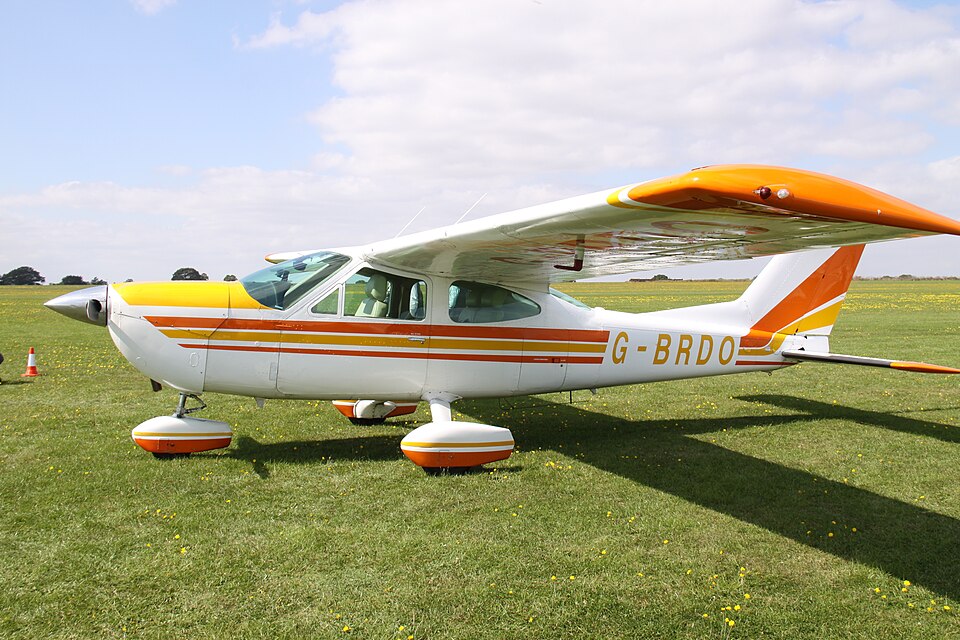
Accident Overview
On 26 October 1999, at approximately 1345 hours UTC, a Cessna 177B (registration G-BRDO) was involved in a runway excursion while landing at Bagby Airfield, North Yorkshire. The aircraft was being operated on a private flight with only the pilot on board. The pilot, aged 71, held a Private Pilot's Licence and had a total flying experience of 218 hours, of which 141 were on type. His recent experience included 24 hours in the last 90 days and 6 hours in the last 28 days.
Sequence of Events
The pilot was landing on grass Runway 06, which has a published length of 520 metres with emergency overrun areas at both ends. The runway is 20 metres wide, with a 3% upslope. The surface wind was from 300° at 8 knots, and the weather was fine. To the left of the runway, the land was covered in stubble; on the right side, a new crop had been sown in tilled soil that remained soft.
The pilot flew a normal 'crabbed' technique final approach down to the flare. During the flare, he temporarily lost sight of the runway as he raised the nose and applied rudder to align the aircraft's heading with the runway. The aircraft touched down near the right-hand edge of the runway. The pilot applied left rudder, but the right mainwheel ran off the side of the runway into the soft ground. The ensuing drag yawed the aircraft to the right, despite the application of full left rudder. The nosewheel struck a runway edge light before also entering the soft soil and sinking into it, causing rapid deceleration. During this deceleration, the aircraft's nose dipped, allowing the propeller to momentarily strike the ground before the aircraft stopped. The pilot closed down the engine and evacuated the aircraft, which was later towed to the hangar by a tractor.
Damage and Injuries
The aircraft sustained damage to the nosewheel fairing, propeller, and underside of the fuselage. The pilot reported no injuries.
Probable Cause
The pilot attributed the accident to his 'kicking off drift' too early, allowing the crosswind to drift the aircraft some six to eight metres to the right during the landing flare.