No fatalities

2017-06-26: Cessna 207 Skywagon/Stationair (N207GM) — Penobscot Island Air — Vinalhaven, United States of America

Vinalhaven, United States of AmericaLanding (descent or approach)

On June 26, 2017, a Cessna 207 Skywagon/Stationair (registration N207GM) operated by Penobscot Island Air was involved in an aviation accident near Vinalhaven, United States of America during landing or approach. No fatalities were reported. Investigators recorded the probable cause as: The pilot's failure to maintain a stabilized approach, which resulted in a bounced landing and subsequent go-around with insufficient distance to clear trees during the climb. This summary draws on records from the Bureau of Aircraft Accidents Archives (B3A); 5 related events involving the same aircraft type or operator are linked below.

Sourcesthe Bureau of Aircraft Accidents Archives (B3A)Primary reportUpdated 1781191810Data APIEditorial standards
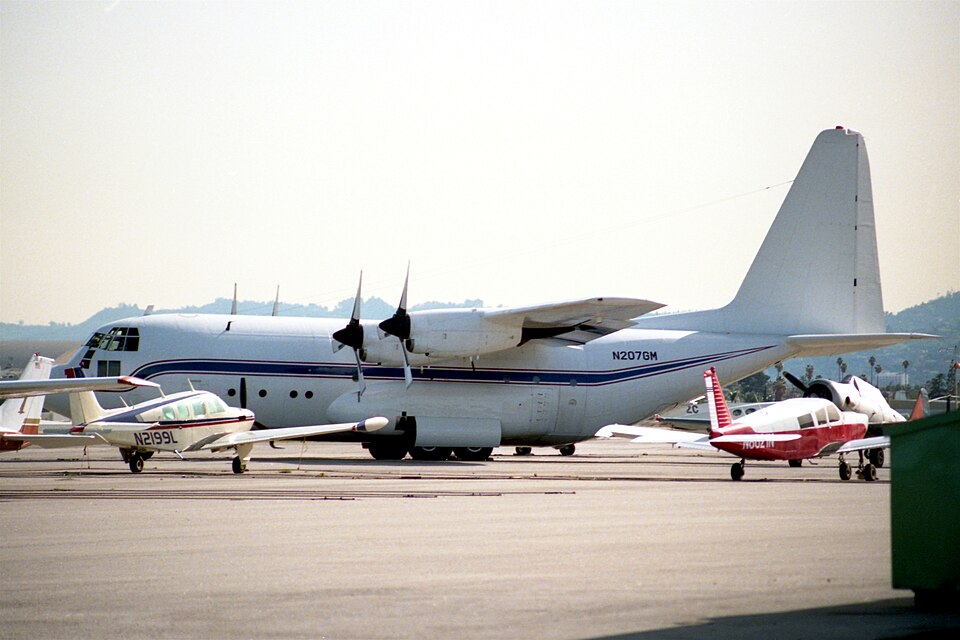
Aircraft registered N207GM
Aircraft registered N207GM. Photo: André Gerwing / CC BY-SA 4.0, via Wikimedia Commons

During landing on a 1,500-foot gravel strip, the airplane bounced high. The pilot initiated a go-around but the airplane drifted left into trees, resulting in substantial damage.

Accident Overview

The pilot of the airplane reported that the approach appeared normal, but during the landing on a 1,500-foot-long gravel strip, the airplane firmly struck the runway and bounced. The pilot noted that the bounce was high and that the remaining runway was too short to correct the landing with power.

Pilot Account

The pilot chose to execute a go-around, applying full power and 20° of flaps as per the balked landing procedure. During the climb, the airplane drifted left toward 50-foot-tall trees located about 150 feet from the departure end of the runway. Unable to climb over the trees, the airplane struck the tree canopy, causing the nose to drop. The pilot instinctively reduced power as the airplane descended through the trees and impacted terrain.

Damage and Findings

The wings and fuselage sustained substantial damage. The pilot reported no preimpact mechanical failures or malfunctions with the airplane that would have precluded normal operation. Official findings determined the probable cause to be the pilot's failure to maintain a stabilized approach, which resulted in a bounced landing and subsequent go-around with insufficient distance to clear trees during the climb.