Flight and Communications
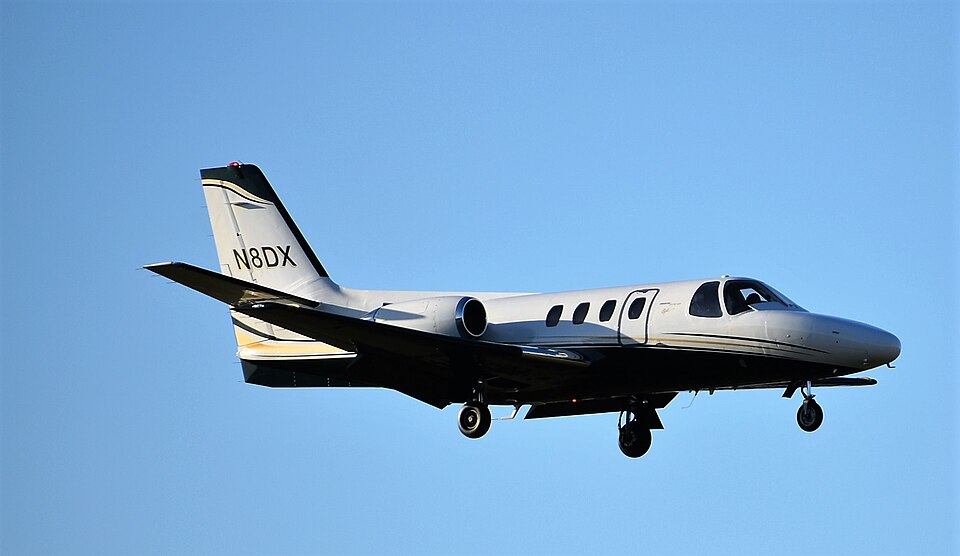
The private pilot departed on an instrument flight rules flight plan in his twin-engine turbojet airplane. The flight was routine until an air traffic controller amended the flight plan, requiring the pilot to manually enter new routing into the GPS. Shortly after, the pilot informed the controller of GPS difficulties and requested a direct route. The controller authorized the direct route and instructed a descent from 22,000 ft to 6,000 ft. During the descent, the cockpit voice recorder captured the sound of the autopilot disconnecting.
The pilot then reported a steering problem and that the airplane was in clouds. The controller cleared the pilot to descend to 4,100 ft, the minimum vectoring altitude. The airplane continued descending, entered visual meteorological conditions, and descended below the assigned altitude. When queried, the pilot expressed uncertainty about climbing back due to steering issues. After the controller issued a low altitude warning, the pilot said the autopilot was working again and climbed to 4,100 ft. The controller then instructed a frequency change, but the pilot reported ongoing GPS problems and requested direct routing to the airport.
Minutes later, the pilot stated he could barely keep the airplane straight and wings level. He did not have the airport in sight when asked. The pilot declared an emergency and expressed concerns about identifying the landing runway. Radio contact was subsequently lost.
Witnesses observed the airplane perform a complete 360° roll to the left, enter a steep 90° bank, roll inverted, and dive nose-vertical. Another witness saw the airplane spiral to the ground. The airplane impacted the front lawn of a private residence, and a postcrash fire ensued.
Pilot Background and Training
The pilot held a type rating for the airplane, but his personal logbooks were unavailable, so his currency and total flight experience in the accident airplane could not be determined. The airplane was originally certified for operations with a pilot and copilot. To operate it as a single pilot, a pilot must annually complete an approved single-pilot exemption training course. The accident airplane had been modified, and the previous owner received a single-pilot conformity certificate from the modifying company. However, no record existed that the accident pilot received such training, and several facilities offering the training had no record of the pilot. It is therefore unlikely that the pilot was properly certificated for single-pilot operations.
The GPS was installed about 3.5 years before the accident. A friend of the pilot trained him on its use and noted that the pilot was generally confused about the unit's operation, struggling with pulling up pages and correlating data. The friend, who had flown with the pilot multiple times, indicated that if an ATC controller amended a preprogrammed flight plan en route, the pilot would become confused about the amendment procedure. The friend also said the pilot depended heavily on the autopilot, which was integrated with the GPS, activating it immediately after takeoff and deactivating it on short final approach. The pilot did not trim the airplane before engaging the autopilot, assuming it would trim automatically, causing the autopilot to work against a mis-trimmed airplane. The friend added that the pilot frequently complained the airplane was uncontrollable.
Postaccident Examination
A postaccident examination of the airplane and autopilot system found no evidence of preimpact deficiencies that would have precluded normal operation. The information indicates the pilot historically had difficulty flying without the autopilot, and his performance during the accident flight without autopilot further suggests he was consistently unable to manually fly the airplane.
Loss of Control
Given the pilot's previous experience with the GPS, it is likely that during the accident flight he became confused about GPS operation and ultimately could not properly control the airplane without the autopilot. Based on witness information, it is likely that during the final moments, the pilot lost control and the airplane entered an aerodynamic stall. The pilot was unable to regain control as the airplane spun approximately 4,000 ft to the ground.