Introduction
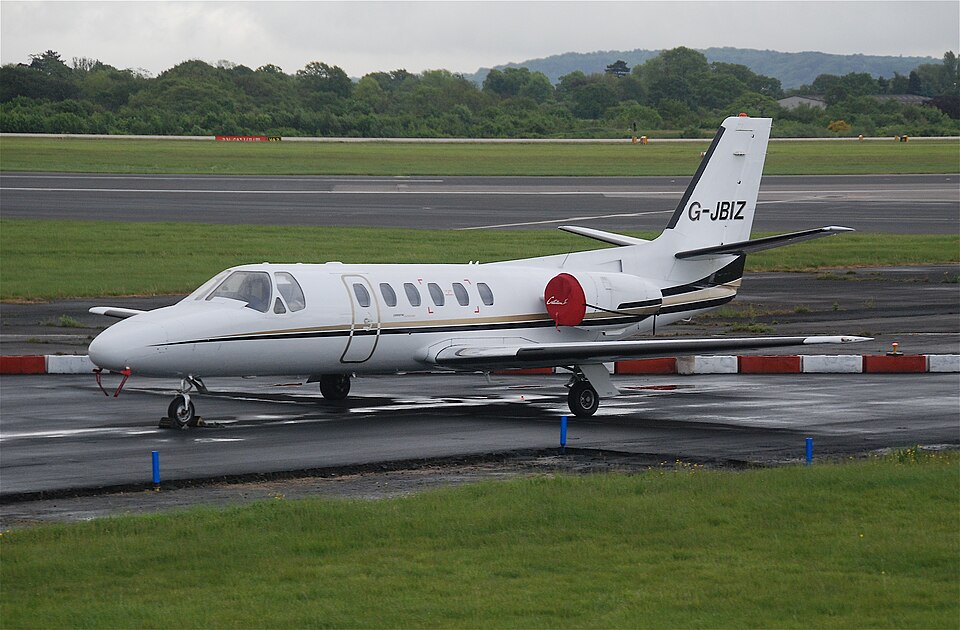
On 14 March 2008, a Cessna 550 Citation II, registration G-JBIZ, operated a commercial air transport positioning flight from Palma de Majorca to Edinburgh. The crew consisted of two pilots, with no passengers on board. No injuries were reported, and the aircraft sustained no damage.
Pre-Flight and Departure
Prior to engine start at Palma, a 'DOOR NOT LOCKED' caption illuminated, which the crew could not extinguish. After confirming door security and that dispatch was permitted under the Minimum Equipment List, they continued preparations. After engine start, an 'AIR DUCT O'HEAT' caption appeared. The crew consulted maintenance personnel by telephone and cleared the caption by following the relevant checklist. During taxi, the 'FDR FAIL' caption illuminated, but the commander elected to continue as the aircraft had already dispatched.
Climb and Cruise
During climb from Palma, the 'AIR DUCT O'HEAT' caption intermittently illuminated but remained extinguished after passing 30,000 ft. The cockpit voice recorder captured discussions about a tripped circuit breaker labelled 'FLT/HR EQUIP COOL'. The commander attempted to reset it once, despite the co-pilot's objection, but it tripped again, and no further attempts were made. The crew expressed concern about the number of defects and a desire to land as soon as possible.
Descent and Control Difficulties
Cleared to descend from FL 400, the crew continued discussing defects. They attempted to resolve an air conditioning temperature control issue. During descent with autopilot engaged, the commander made an autopilot selection but was surprised by a lack of response. He saw the autopilot and yaw damper engaged lights were off, with no annunciation of disengagement. He attempted to reselect but lights remained off. He pressed the autopilot disconnect button, the TCS switch, and electric pitch trim without success. The controls felt 'unresponsive and very stiff'. The co-pilot assisted.
The commander informed Edinburgh Radar of serious flying control problems and requested vectors. The aircraft experienced uncommanded full left then full right rudder at 220 kt, and pitching as speed reduced. The commander accelerated to 220 kt to maintain control. ATC offered vectors for Runway 30, which the commander accepted. The crew reported being 'almost out of control' and 'serious flutter'.
Approach and Landing
Given control difficulties, the commander elected not to lower flaps or landing gear until late. He declared a mayday and stated they would touch down at 200 kt with gear up. During the final miles, he handed throttle control to the co-pilot, instructing him to maintain 200 kt. The commander flew a shallow, high-speed approach to Runway 30. At approximately 2 nm, he called for gear down. The co-pilot selected idle thrust and deployed speed brakes just before touchdown. The aircraft landed at about 193 kt near the threshold and stopped around 50 meters from the runway end after maximum wheel braking. The commander called for evacuation but the evacuation checklist was not completed. The crew shut down engines and exited via the cabin door.
Post-Landing Examination
Airport Fire and Rescue Services attended. A thermal imaging camera showed no evidence of fire. Pilots inspected the rear equipment bay and reported a strong smell of electrical burning, but no obvious damage. AAIB examination found no fire or overheat damage. Two circuit breakers had tripped: 'FLT/HR EQUIP COOL' (for avionics cooling fans and defog fan) and 'AC SWITCH' (incorrectly labelled 'PHONE AC SWITCH'). Autopilot testing revealed basic functions worked correctly, with the exception of the right go-around switch. The autopilot pitch channel operated normally; the forces to overpower pitch inputs were estimated at 15 lbs +/-5 lbs for trim.