Introduction
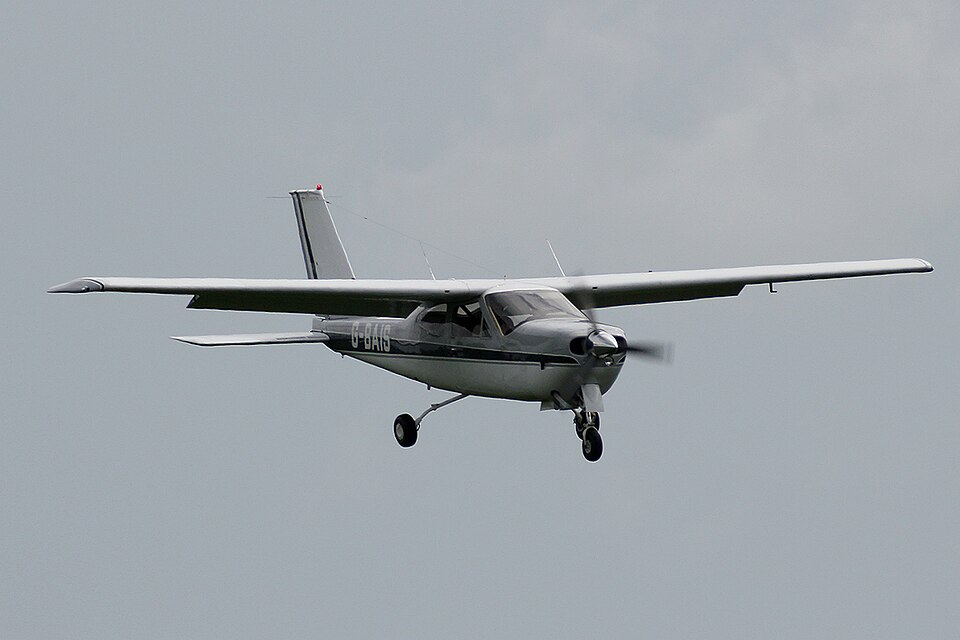
On 17 October 1999 at 0810 hours, a Cessna F177RG, registration G-BAIS, was involved in an accident during takeoff from Gunton Park, Norfolk. The aircraft was conducting a private flight with two crew and one passenger on board. None of the occupants were injured. The aircraft sustained damage to the left wing, fuselage, landing gear, and propeller; the engine was shock loaded.
Sequence of Events
The pilot, aged 45, held a Private Pilot's Licence and had 620 hours total flying experience, with 63 hours on type. He was familiar with the airstrip but was undertaking his first takeoff in this aircraft type from that location. The weather was good with a light surface wind. Prior to departure, the pilot consulted two other pilots experienced with the aircraft and the airstrip, and reviewed General Aviation Safety Sense Leaflets 7B and 12B. Based on his aircraft take-off weight and including appropriate safety factors, he calculated he would become airborne within approximately 5/8 of the runway length.
The airstrip, oriented north/south, was 800 metres long with short wet grass, an undulating surface, and a two-metre-high fence just to the north. For the northerly takeoff, the pilot used the flight manual maximum take-off performance guidelines. The aircraft became airborne just over halfway down the strip, but shortly after lift-off, the pilot heard the stall warning horn activate. He reacted by lowering the nose; the horn stopped, but the aircraft touched down again. The pilot then perceived a reduction in airspeed but concluded there was insufficient room to stop and continued the takeoff. The aircraft became airborne before the end of the strip but struck the top of the fence. The pilot closed the throttle and landed in the next field. During the subsequent retardation, the left wing struck a substantial tree protector.
Additional Information
After the accident, the pilot confirmed that his performance calculations were correct but considered that he overreacted to the sound of the stall warning. The stall warning had previously been considered too quiet by operating pilots and had recently been modified to route through the aircraft loudspeaker system; the loud noise of the warning may have initiated the overreaction.