Synopsis
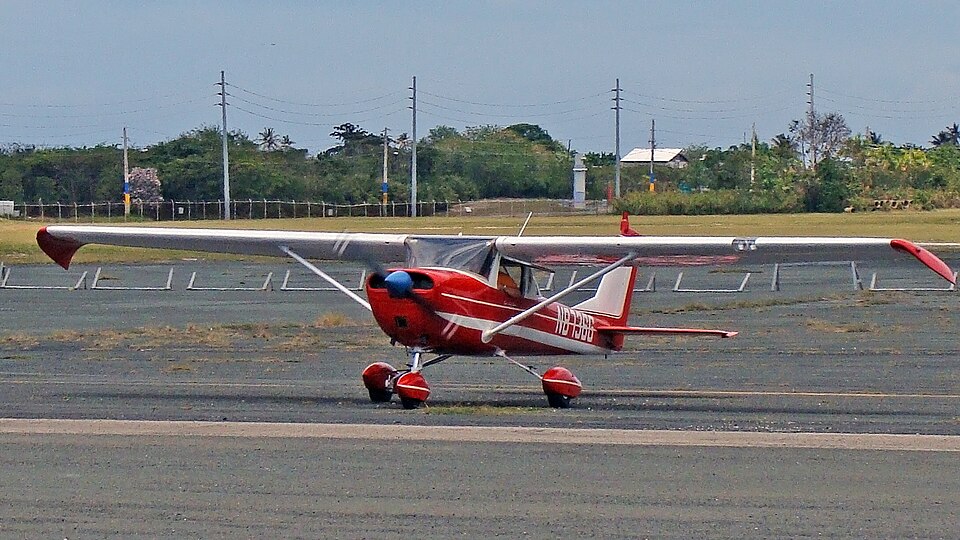
On February 9, 2017, at approximately 15:00 local time (19:00 UTC), a Cessna 150F aircraft, registration N-8736G, was involved in an accident at Batey Diego, San Pedro de Macorís, Dominican Republic. The aircraft had departed from the Sabana Tosa airstrip. After about 30 minutes of flight, approximately 7 nautical miles from the departure point, the engine experienced a partial loss of power accompanied by vibrations. The pilot carried out a forced landing in an area planted with sugar cane.
Aircraft and Operator Information
The aircraft was a Cessna 150F, serial number 15062836, manufactured in August 1966. It was privately owned and operated. The total airframe hours were 4980.30 hours. The engine was a Continental O-200-A, serial number 62956-6A, rated at 100 hp, with 424.16 hours since new. The propeller was a McCauley 1A100 model. The aircraft used 100LL fuel and had a fixed tricycle landing gear. The last annual inspection was on January 7, 2017.
Pilot Information
The pilot, born October 4, 1996, held a private pilot certificate with a single-engine land rating. He had 286.3 total flight hours, with 30 hours on the Cessna 150 model. His last medical examination was on October 31, 2016. At the time of the accident, he had 6 hours of flight time in the previous 72 hours and 2 hours in the last 24 hours. He had 12 hours of rest prior to the flight, which began at 14:23 local time.
Injuries and Damage
Both occupants, the pilot and one passenger, were uninjured. The aircraft sustained substantial damage: the nose landing gear collapsed rearward, the leading edge of the horizontal stabilizer was dented, one propeller blade was bent, and the lower engine mount was broken. No other significant damage occurred.
Probable Cause
The investigation determined the probable cause as a controlled flight into terrain (CFIT) due to engine failure followed by a forced landing in an unprepared area.