Synopsis
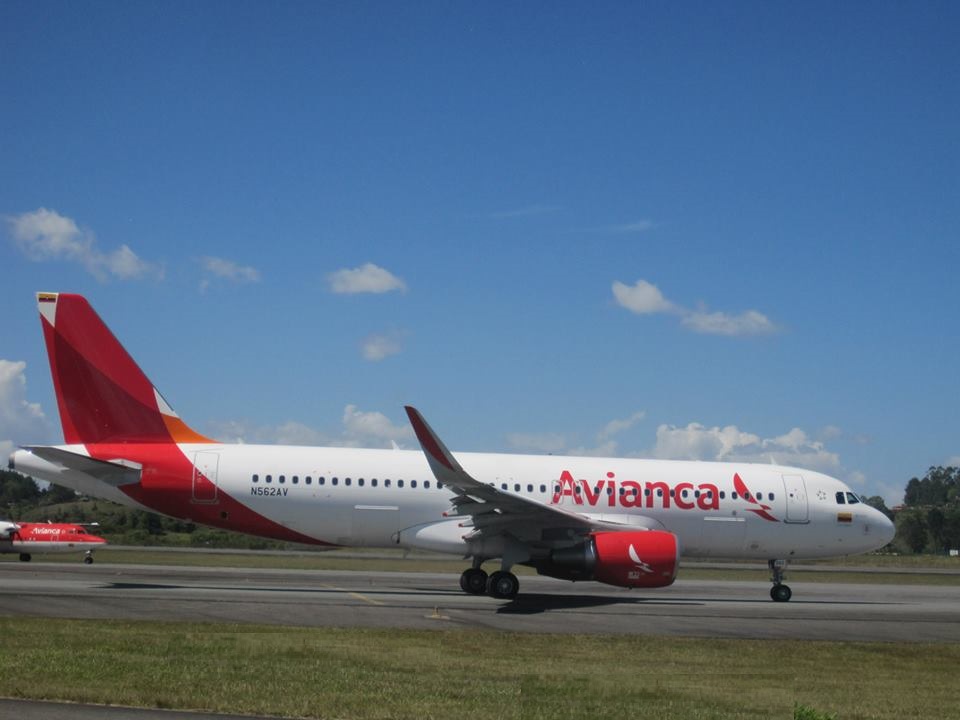
On 25 July 2022, an Airbus A320-214 (registration N562AV) operated a scheduled passenger flight from José María Córdoba International Airport (SKRG) to El Dorado International Airport (SKBO). The aircraft carried 176 passengers and 6 crew members. During climb through flight level 195, the No. 2 engine experienced a failure, indicated by a drop in N1 rotation speed to 23% and a rise in exhaust gas temperature (EGT) to 977°C. The crew performed the in-flight engine shutdown procedure, including discharging the No. 1 fire extinguisher for the No. 2 engine. They initially declared a PAN PAN condition and later upgraded to MAYDAY after assessing the inoperative Auxiliary Power Unit (APU), which was listed as a deferred maintenance item. The aircraft landed safely on runway 13R at SKBO approximately 28 minutes after the failure. Emergency services were not required, and passengers disembarked normally. No injuries were reported, and the aircraft sustained no damage beyond the engine.
Factual Information
- Aircraft: Airbus A320-214, registration N562AV
- Flight Number: AVA9351
- Date and Time: 25 July 2022, 08:33 local (13:33 UTC)
- Location: Approximately 3 NM from the ISVAT fix, Medellín Terminal Control Area, Antioquia, Colombia
- Phase of Flight: Cruise/climb at FL195
- Engine: CFM56-5B, position No. 2, serial number 645640
- Deferred Maintenance Items: Wing scan light (MEL item) and APU (MEL item) were inoperative.
- Fuel on Board: 4,437 kg
- Takeoff Weight: 61,594 kg
- Weather: Daytime, visual meteorological conditions (VMC)
Emergency Response
Upon detection of the engine malfunction, the flight crew executed the ECAM actions for ENG 2 STALL/FAIL/EGT OVER LIMIT/STAR VE FAULT/SHUT DOWN. After securing the engine, they declared PAN PAN PAN to air traffic control. Due to the inoperative APU, the aircraft's electrical system had only one generator (from the No. 1 engine), prompting the crew to declare MAYDAY MAYDAY. ATC vectored the flight directly to SKBO. The crew briefed the cabin crew for an emergency landing, and the aircraft performed a controlled descent and landing. No assistance from the fire and rescue service was needed.
Investigation Findings
The Dirección Técnica de Investigación de Accidentes (DIACC) determined the following causes:
- Failure and malfunction of the No. 2 engine in flight due to fracture and separation of high-pressure turbine (HPT) stage blades, causing severe internal engine damage that required an in-flight engine shutdown (IFSD) and an emergency landing, given the loss of redundancy in the aircraft's main electrical power source.
- High local stresses generated at the "min neck" joints and in the body of the HPT stage blades, which under normal operation led to material fatigue, initiating cracks that propagated radially outward until resulting in blade fracture and separation.
Two safety recommendations were issued as a result of the investigation.