Incident Overview
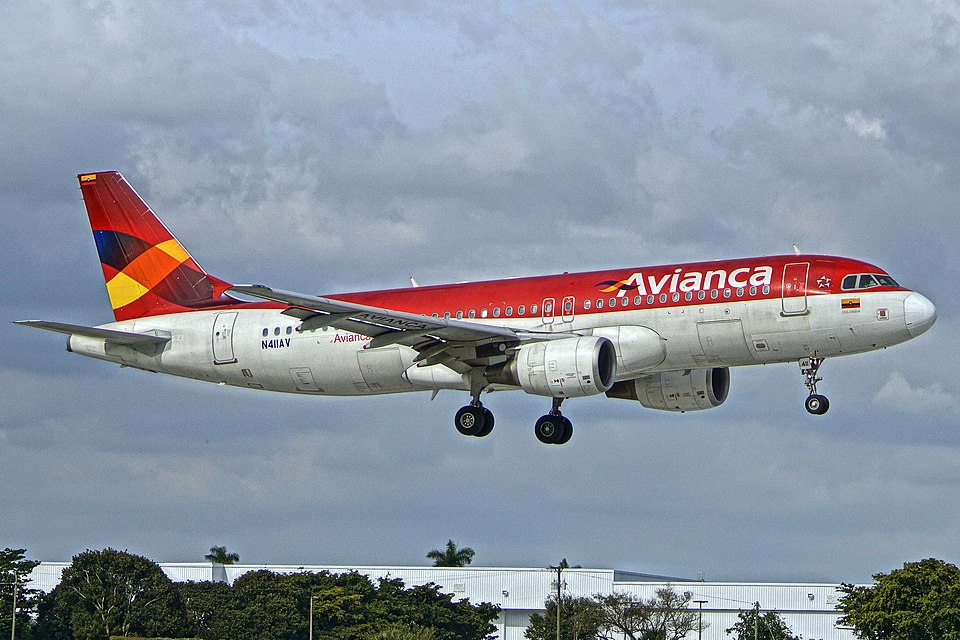
On November 16, 2024, at 20:10 UTC, an Airbus A320 with registration N411AV was on a scheduled passenger flight from Barranquilla to Bogotá. The aircraft was in the final descent phase, approaching the AMVES waypoint for the SKBO approach. During this segment, the aircraft encountered unexpected turbulence.
Injury and Medical Response
A flight attendant (TCP 4) was returning to her seat in the rear galley when the sudden vertical movement caused her to lose balance. She fell with her full weight on her right foot, resulting in a fracture of the fibula. The crew immediately notified the pilot-in-command, who requested medical services upon arrival. The injured crew member was initially treated at the airport and later transferred to a medical center where an orthopedic specialist diagnosed the fracture. Surgical intervention involving the implantation of a bone support plate was performed to ensure proper healing.
Meteorological and Operational Factors
Meteorological data indicated the presence of a tower cumulus cell west of El Dorado International Airport, near the approach paths for runways 14L and 14R. Radar reconstruction confirmed significant cloud cover in the vicinity of AMVES, suggesting a high probability of wind shear and turbulence. Flight Data Recorder (FDR) analysis showed that no evasive maneuvers were executed prior to entering the turbulent zone. The pilot-in-command noted that the turbulence was likely caused by small clouds not visible on the radar.
Investigation Findings
The investigation concluded that the delay in identifying the nearby cloud mass hindered timely cabin preparation and route deviation, leading to the encounter with turbulence. Contributing factors included a lack of effective meteorological monitoring during descent and approach. The official notification of the incident was delayed until November 18, 2024, due to delays in obtaining specialized medical reports, which resulted in the loss of Cockpit Voice Recorder (CVR) data.
Safety Recommendations
The investigation recommended that the operator implement continuous training programs focused on turbulence prevention, cabin securing procedures, and effective use of weather radar. Additionally, it advised including specific turbulence alerts in departure and arrival procedures for El Dorado International Airport due to the high incidence of adverse weather phenomena.