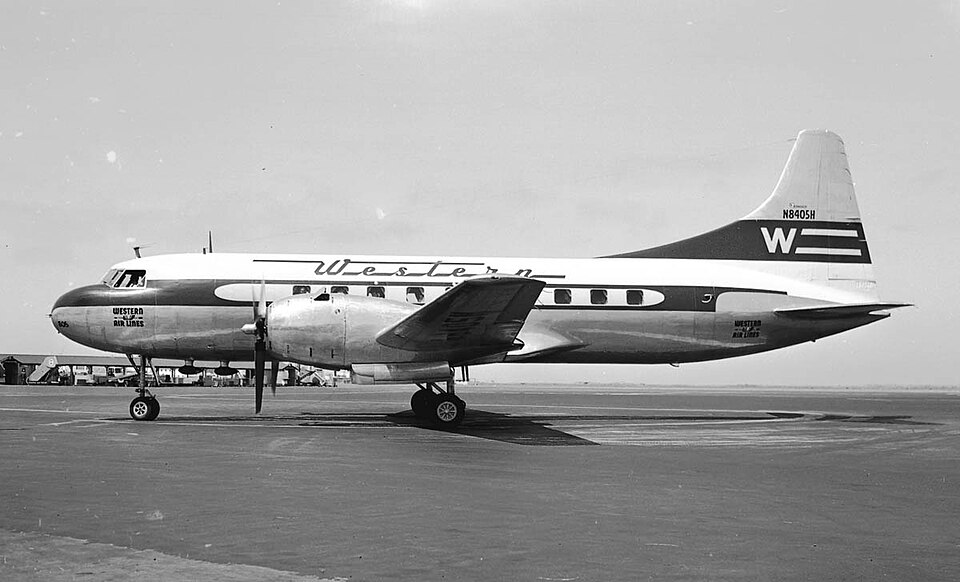
Accident Sequence
At approximately 1342, Flight 19 departed from runway 31. The takeoff appeared normal, and the aircraft climbed to about 500 feet above ground. Shortly thereafter, multiple ground witnesses observed two or more silvery pieces separate from the aircraft, mostly from the area of the right wing. Almost simultaneously, the aircraft pitched nose-down sharply and descended at a steep angle. As it neared the ground, it leveled off considerably but continued descending.
Ground Witness Observations and Emergency Landing
Witnesses reported seeing the aircraft contact the ground, raising a large cloud of dust, and then disappear from view behind higher terrain. Seconds later, large columns of smoke rose from the accident site. The aircraft, which had made a gear-down emergency landing, struck large boulders during its ground roll. A fire occurred that consumed the major portion of the aircraft.
Injuries and Damage
The accident resulted in no fatalities. However, five of the 18 passengers sustained serious injuries, and most others suffered minor injuries. The three crew members received minor or slight injuries.
Probable Cause
According to the official Board findings, the probable cause of the accident was the failure of a mechanic to secure properly the right wing leading edge section, resulting in its separation in flight. The improper installation was undetected due to inadequate inspection. Specific findings included: the right wing leading edge separated during departure; this caused severe control difficulty and buffeting; the crew performed a gear-down emergency landing in boulder-strewn desert about four miles north-northwest of the airport; ground impacts with boulders caused severe damage and breakup; a fire in the left wing destroyed the aircraft; the aircraft (N8405H) had received a No. 3 heavy maintenance check about two hours before the accident; during that check, a mechanic forgot to install retaining screws for the right leading edge; the gap straps were properly installed but failed during departure due to loads beyond their design strength; and the lead mechanic's inadequate inspection failed to detect the omission.