Incident Overview
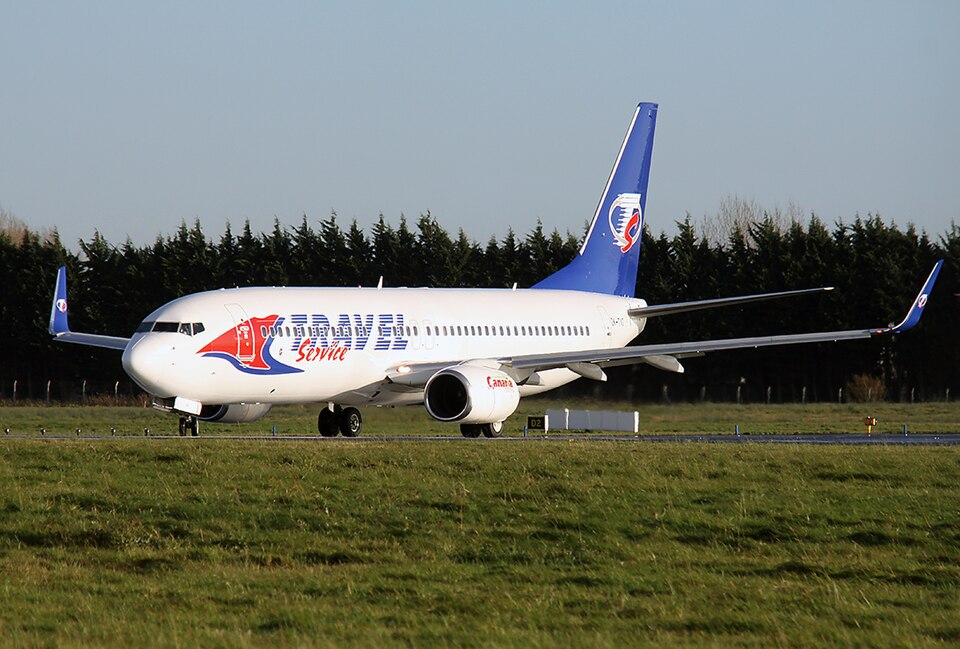
On 22 August 2019, a Boeing 737-800 aircraft, registration OK-TVO, operated flight TVS1125 from Samos Airport (LGSM) to Prague Václav Havel Airport (LKPR). The flight was the subject of a serious incident investigation by the Czech Accident Investigation Institute (ÚZPLN).
Flight Progression
During the flight, the aircraft experienced a loss of thrust on one of its two engines. The flight crew, consisting of a pilot in command (PIC) and a first officer (F/O), did not declare a PAN PAN situation. The PIC decided to continue the flight to the planned destination rather than land at the nearest suitable airport. The aircraft subsequently landed at Prague without further incident.
Investigation Findings
The investigation analyzed the crew's decision-making process, including the non-declaration of PAN PAN and the decision to continue to the destination. The report reviewed fuel policy, the Quick Reference Handbook, cockpit voice recorder data, crew resource management (CRM), and the use of the "Black Swan" methodology for worst-case impact assessment. The investigation also examined the engine components, including fuel pump, fuel filter, and hydromechanical unit, though no specific findings were detailed in the public report.
Conclusion
The report concluded that the incident was a serious incident under EU regulations. No causal factors were explicitly stated in the available report sections.