Factual Information
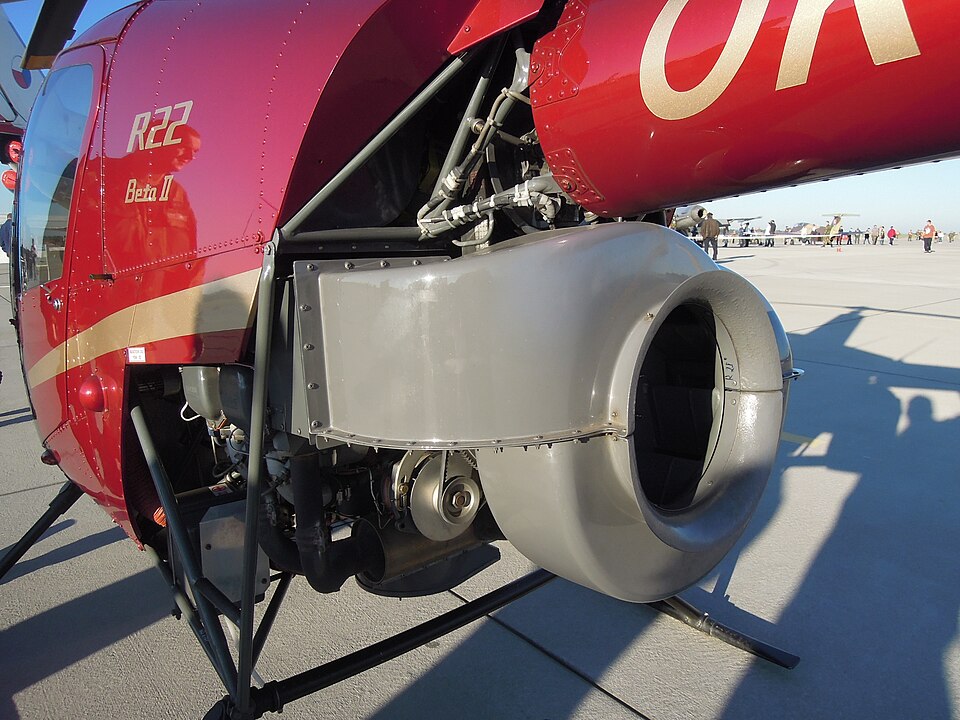
The accident involved a Robinson R22 Beta II helicopter, registration OK-TOM, operated by a legal entity. On 14 January 2023, at 11:45 UTC, the helicopter crashed in a meadow approximately 1.5 km northwest of the town of Lanžhot, Czech Republic. The crew consisted of a pilot and an instructor; both were on a training flight aimed at acquiring the instructor qualification on the type. The helicopter was destroyed, and the crew sustained no injuries.
Flight Sequence
According to crew statements, the flight was the third training sortie of the day, focusing on navigation instruction and forced landing practice. The pre-flight preparation and inspection were standard, with no discrepancies found. The flight departed from Brno/Tuřany airport at 10:45 UTC and proceeded via waypoints to the training area. For the forced landing exercise, the crew selected a grass strip that had previously been used for agricultural spraying.
After a visual inspection of the area, the crew entered a downwind leg for landing. They practiced a landing with a simulated tail rotor failure: the pilot released the pedals, and the instructor fixed the pedals to mimic the malfunction. The landing was successful. Subsequently, the crew attempted a takeoff using the same procedure—simulating a tail rotor failure. During the hover in ground effect phase, the helicopter spontaneously began to rotate to the right. The instructor applied full left pedal but was unable to stop the rotation. The helicopter struck the ground, rolled over onto its left side, and came to rest there.
Aftermath
The helicopter was destroyed. Neither crew member was injured. The accident investigation was conducted by the Czech Air Accident Investigation Institute (ÚZPLN). The report did not specify a probable cause.