Incident Overview
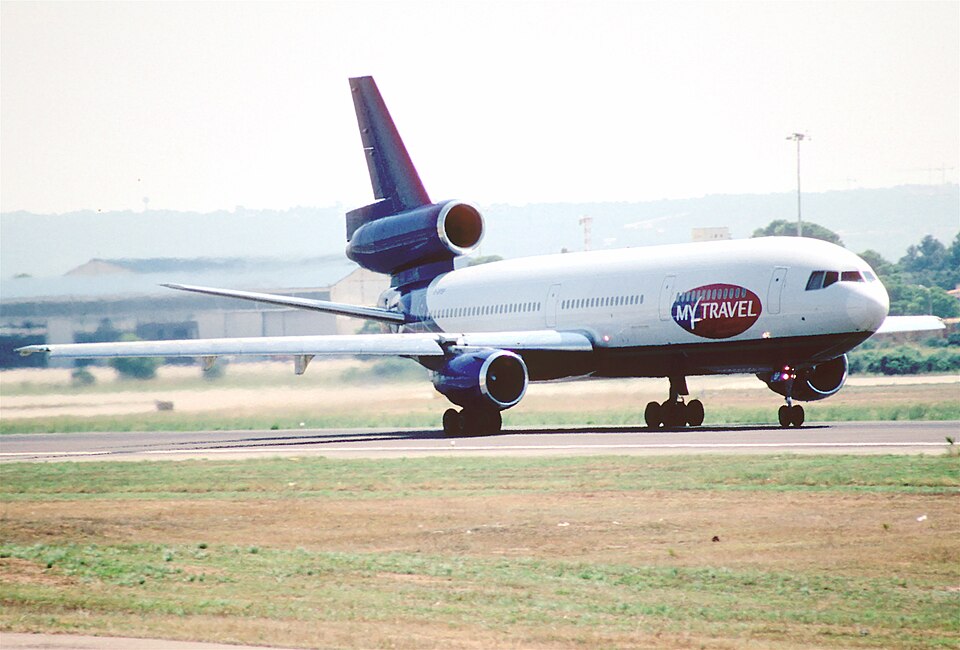
On 17 November 2001 at 0701 hours UTC, a DC-10-100 aircraft, registration G-DPSP, experienced a tyre burst after landing at Manchester Airport. The aircraft had made a normal landing, taxied clear of the runway, and parked on stand. Neither the crew nor the passengers heard or observed anything unusual. A routine runway inspection shortly after landing revealed tyre debris, indicating a burst. The crew was informed, and an inspection of the aircraft found that No 4 tyre—the forward right-hand tyre on the right main landing gear—had burst.
Damage and Findings
The tyre burst caused rubber marks and small dents in the wing skin above the tyre, as well as a six-inch-diameter hole in an inspection panel just forward of the flaps. The runway was closed for approximately one hour for debris clearance. The aircraft returned to service after the damaged panel and three of the four wheels and tyres on the right main landing gear were replaced.
Tyre Examination
The failed tyre was a fourth remould (R4) that had completed 134 landings since its last remould. Examination indicated that the carcass had become fatigued due to over-deflection, and the tyre burst when insufficient carcass strength remained, releasing the tread. The primary cause was under-inflation.
Panel Damage Details
The damaged panel (Part No ARC0267-504) was of lightweight all-aluminium honeycomb construction, approximately 0.25 inches thick with skins about 0.015 inches thick. It covered an area just inboard of the 'sailboat' fairing housing fuel and hydraulic systems, and parts of the flap position follow-up mechanism. Manufacturer records and FAA Service Difficulty Reports revealed 165 DC-10 and MD-11 tyre failure reports, with two similar incidents (both on takeoff). No damage to systems behind the panel was indicated in those reports.
Operator Action
As a result of this incident, the operator initiated a review of tyre inflation checks and procedures within the maintenance organisation.