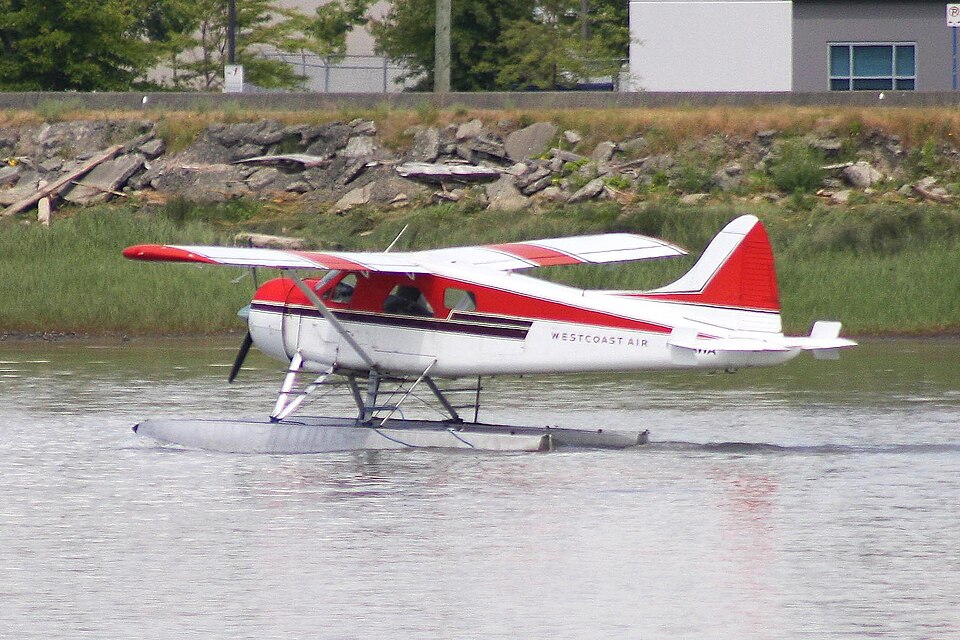
Engine failure and crash near Fraser River

No fatalities • Fraser River, Canada • Takeoff (climb)

An aircraft experienced an engine failure during its initial climb after departing Fraser River, leading to a collision with a pylon.

What happened

During the initial climb phase following departure from Fraser River, the aircraft's engine ceased operation. This loss of power was caused by fuel starvation. In an attempt to maneuver the plane away from a bridge, the pilot executed a steep turn. During this maneuver, the aircraft type struck a pylon, which resulted in a stall and subsequent crash.

While the accident involved a significant loss of control, there were no fatalities reported, though the pilot sustained injuries during the impact.

Findings

Investigation into the mechanical failure revealed that the fuel selector was improperly configured. Specifically, the selector was set to draw from the rear tank, which contained no usable fuel at the time of the incident. This incorrect fuel selector setting led directly to the engine's loss of power.

Probable cause

The engine failed because the fuel selector was positioned to an empty rear tank, causing fuel starvation during takeoff.

Frequently asked questions

What happened in the 1981-04-14 De Havilland DHC-2 Beaver accident near Fraser River, Canada?

An aircraft experienced an engine failure during its initial climb after departing Fraser River, leading to a collision with a pylon.

Were there any fatalities in the 1981-04-14 De Havilland DHC-2 Beaver accident?

No fatalities were recorded in this accident.

What aircraft was involved and where did it happen?

The accident on 1981-04-14 involved a De Havilland DHC-2 Beaver, registration C-FAWA, operated by Air BC - Air British Colombia, at Fraser River, Canada.

What was the probable cause of the accident?

The engine failed because the fuel selector was positioned to an empty rear tank, causing fuel starvation during takeoff.

Loading the flight search…