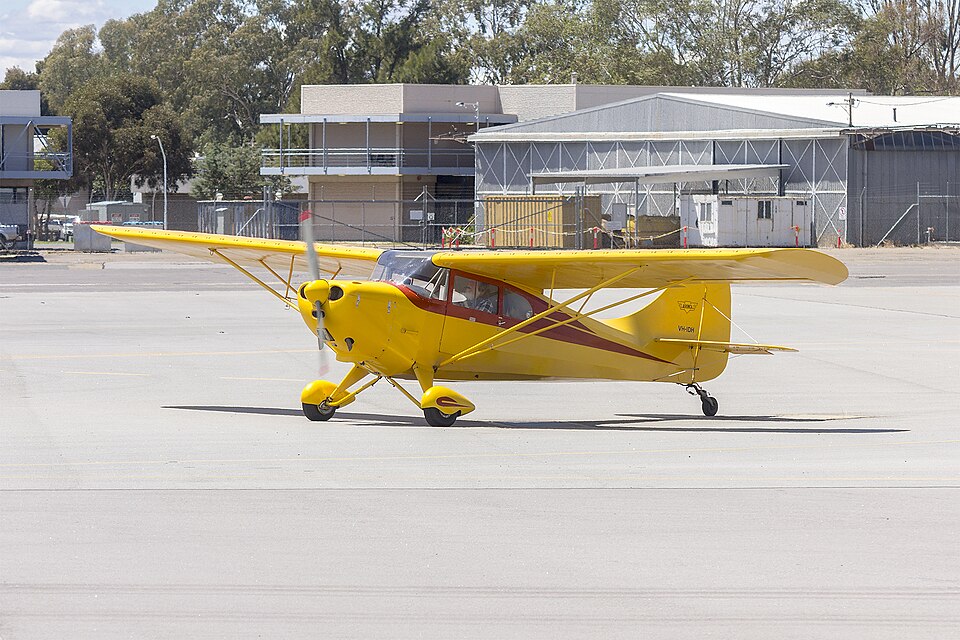
Engine failure following takeoff leads to aircraft overturn

No fatalities • Barham, Australia • Flight

An aircraft experienced a total loss of engine power shortly after takeoff, resulting in a heavy landing and subsequent fire.

What happened

Shortly after departing, the aircraft was climbing at an altitude of roughly 50 feet when the engine suffered a sudden and complete loss of power. Following the failure, the pilot attempted to maneuver the plane across several obstacles, including two fences, multiple drainage banks, and an irrigation canal.

During this emergency glide, the aircraft's rate of descent increased significantly. The plane ultimately made a heavy impact with the ground and overturned. Upon landing, a fire ignited, which was intense enough to consume the middle portion of the fuselage. There was only one person on board, the pilot, who sustained slight injuries during the accident.

Findings

Investigators were unable to definitively determine why the engine lost power because the severity of the post-crash fire damage hindered the examination of the mechanical components.

Probable cause

The specific reason for the engine power loss could not be determined due to extensive fire damage to the wreckage.

Frequently asked questions

What happened in the 1984-11-10 De Havilland DHC-2 Beaver accident near Barham, Australia?

An aircraft experienced a total loss of engine power shortly after takeoff, resulting in a heavy landing and subsequent fire.

Were there any fatalities in the 1984-11-10 De Havilland DHC-2 Beaver accident?

No fatalities were recorded in this accident.

What aircraft was involved and where did it happen?

The accident on 1984-11-10 involved a De Havilland DHC-2 Beaver, registration VH-IDH, operated by McPhar International, at Barham, Australia.

What was the probable cause of the accident?

The specific reason for the engine power loss could not be determined due to extensive fire damage to the wreckage.

Loading the flight search…