3 fatalities

1992-08-27: De Havilland DHC-4 Caribou (N400NC) — NewCal Aviation — Gimli, Canada

Gimli, CanadaTakeoff (climb)

On August 27, 1992, a De Havilland DHC-4 Caribou (registration N400NC) operated by NewCal Aviation was involved in an aviation accident near Gimli, Canada during takeoff. 3 people were killed. Investigators recorded the probable cause as: Loss of control shortly after rotation due to the rudder jamming unexpectedly, following a failure in the locking mechanism. The investigation concluded that a mechanical failure was the only plausible hypothesis, as the crew made no error. This summary draws on records from the Bureau of Aircraft Accidents Archives (B3A); 2 related events involving the same aircraft type or operator are linked below.

Sourcesthe Bureau of Aircraft Accidents Archives (B3A)Primary reportUpdated 1781210760Data APIEditorial standards
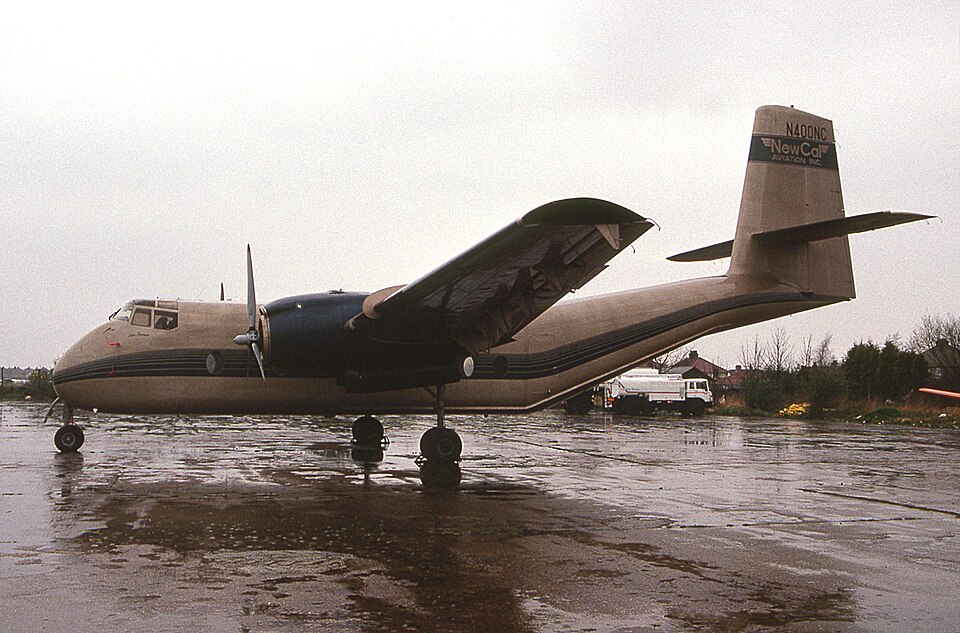
Aircraft registered N400NC
Aircraft registered N400NC. Photo: Peter Garwood / CC BY 4.0, via Wikimedia Commons

During a local test flight after maintenance, an aircraft crashed near the runway at Gimli Airport after entering a right turn and nosing down from about 200 feet. All three occupants were killed. Investigation attributed the accident to a rudder jamming failure.

Accident

Following maintenance that involved replacement of parts on the elevators and rudder, the crew conducted a local test flight from Gimli Airport. Shortly after takeoff, while climbing steeply to an altitude of approximately 200 feet, the aircraft entered a right turn, then pitched nose-down and crashed in the vicinity of the runway. The impact resulted in a fire. All three occupants were killed.

Investigation

The investigation determined that the aircraft had recently undergone maintenance, including assembly operations on the elevators and rudder, which were required due to a malfunction of the rudder lock system. The crew participated in these assembly operations. Shortly after rotation, the rudder jammed unexpectedly following a failure in the locking mechanism, causing the crew to lose control of the aircraft. The investigation found that the assembly operations were carried out in accordance with applicable regulations, and that no crew error was involved. A mechanical failure was deemed the only plausible explanation for the accident.

Probable cause

Loss of control shortly after rotation due to the rudder jamming unexpectedly, following a failure in the locking mechanism. The investigation concluded that a mechanical failure was the only plausible hypothesis, as the crew made no error.