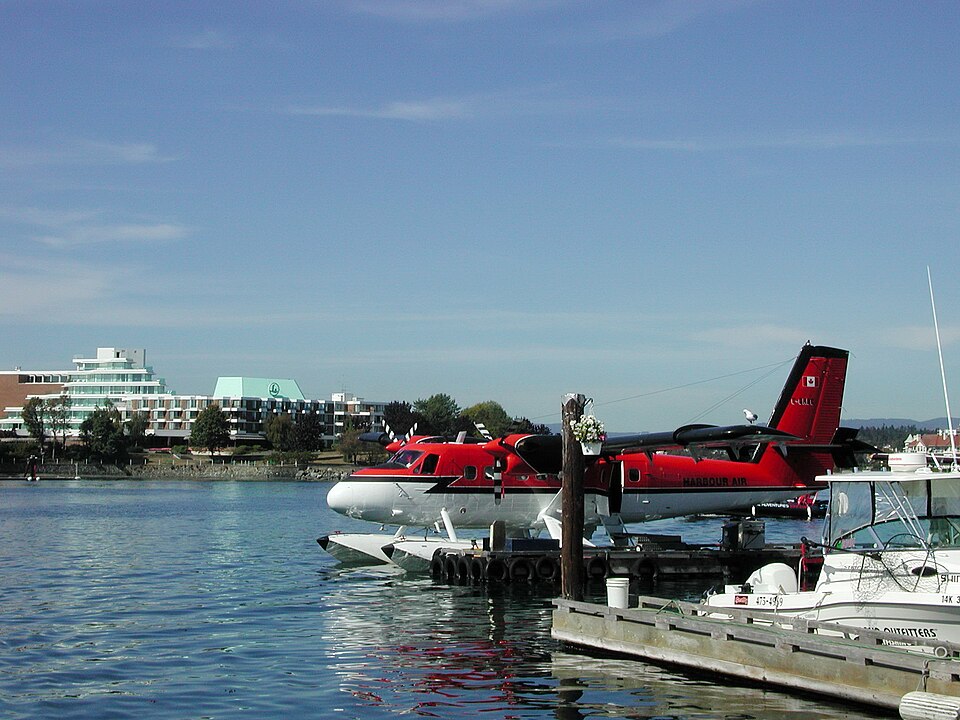
Accident Overview
On 23 January 2013, at 0523 Coordinated Universal Time, an aircraft departed South Pole Station, Antarctica, on a visual flight rules repositioning flight to Terra Nova Bay, Antarctica. The crew consisted of three individuals. The aircraft failed to make its last scheduled radio check-in at 0827, and the flight was considered overdue.
Search and Rescue
An emergency locator transmitter signal was detected in the vicinity of Mount Elizabeth, Antarctica, prompting a search and rescue effort. Extreme weather conditions hampered the operation, preventing the search and rescue team from accessing the site for two days. Once on site, it was determined that the aircraft had impacted terrain and that the crew members of C-GKBC had not survived.
Investigation
Adverse weather, high altitude, and the condition of the aircraft prevented recovery of the crew and comprehensive examination of the aircraft. There were no indications of fire on the limited portions of the aircraft that were visible. The accident occurred during daylight hours. The cockpit voice recorder was not serviceable at the time of the occurrence, and the company did not have a practice in place to verify its functionality prior to flight. The rate of climb recorded in the SkyTrac ISAT-100 tracking equipment prior to contacting terrain was consistent with performance figures in the DHC-6 Twin Otter Series 300 Operating Data Manual.
Probable Cause
The official probable cause of the accident was a controlled flight into terrain (CFIT). Findings indicated that the crew of C-GKBC made a turn prior to reaching the open region of the Ross Shelf, and the aircraft might have entered an area covered by cloud that ultimately led to it contacting the rising terrain of Mount Elizabeth.