Background
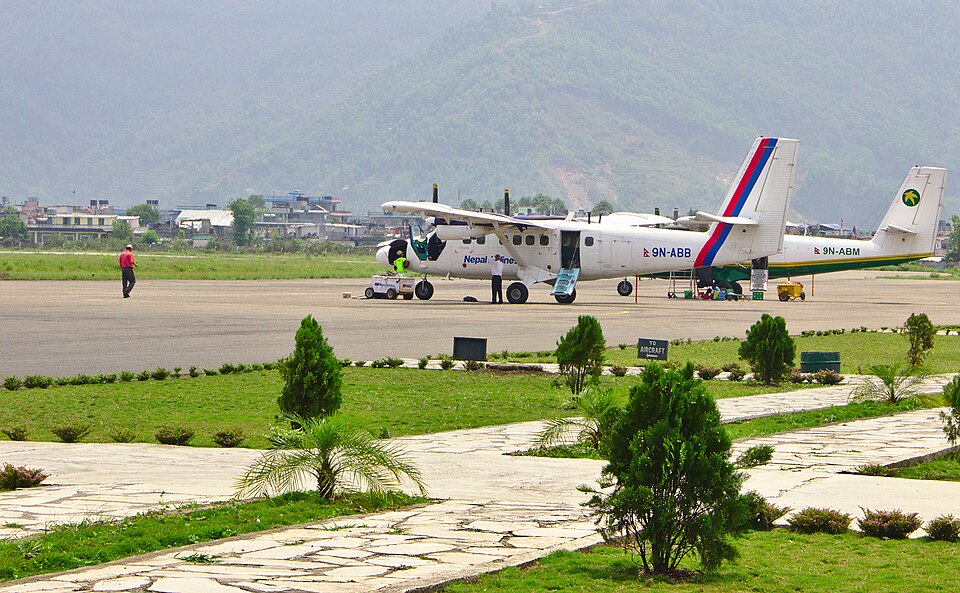
On 16 February 2014, Nepal Airlines Corporation (NAC) operated a scheduled flight from Kathmandu to Jumla with a stop in Pokhara. The aircraft, a de Havilland Canada DHC-6 Twin Otter (registration 9N-ABB), departed Kathmandu at 0610 UTC (1155 local time) with 18 persons on board, including three crew members. The planned route was Kathmandu–Pokhara–Jumla, with an overnight stop in Nepalganj.
Flight Details
The flight from Kathmandu to Pokhara proceeded normally. After a 17-minute ground stop for refueling, the aircraft departed Pokhara at 0658 UTC for Jumla. Weather conditions in the region were affected by a prevailing westerly weather pattern that had disrupted domestic flights for the previous two days.
Weather and Crew Actions
Before departure from Pokhara, the pilots obtained weather reports for Jumla and Bhairahawa, which indicated visual flight rules (VFR) conditions at those stations. However, they did not properly assess the en route weather. The pilot-in-command (PIC) decided to remain south of the planned track to avoid terrain and adverse weather. Cockpit voice recorder (CVR) data showed that the pilots were aware of and concerned about icing conditions due to low outside air temperature.
Approximately 25 minutes into the flight, while maneuvering to avoid weather, the PIC instructed the co-pilot to plan a route further south through the Dang valley. The co-pilot selected Dang on the GPS, bearing 283°, and determined a required altitude of 8,500 feet. He then expressed concern that the aircraft might not have sufficient fuel to reach the planned destination.
Accident Sequence
About two and a half minutes before the crash, the PIC initiated a descent, which the co-pilot advised against. Approximately one minute before impact, the last heading recorded by the co-pilot was 280°. During this critical phase, the PIC stated, "I am entering" (possibly referring to entering a cloud). The co-pilot contacted Bhairahawa Tower to obtain the latest weather and transmitted a position report indicating the aircraft was about 25 miles from Bhairahawa. The PIC then interrupted and declared an intention to divert to Bhairahawa. Bhairahawa Tower requested confirmation of the aircraft's position, but the co-pilot replied "STANDBY." Seconds before the crash, the co-pilot again advised the PIC not to descend and suggested on two occasions, "sir don't turn."
The aircraft impacted terrain and disintegrated. All 18 occupants were killed.
Probable Cause
The official investigation determined that the accident was a controlled flight into terrain after the pilot-in-command lost situational awareness while cruising in instrument meteorological conditions (IMC). Contributory factors included deteriorated weather associated with a western disturbance, unstable weather with embedded cumulonimbus clouds, and inappropriate crew coordination when changing course of action.