Accident Overview
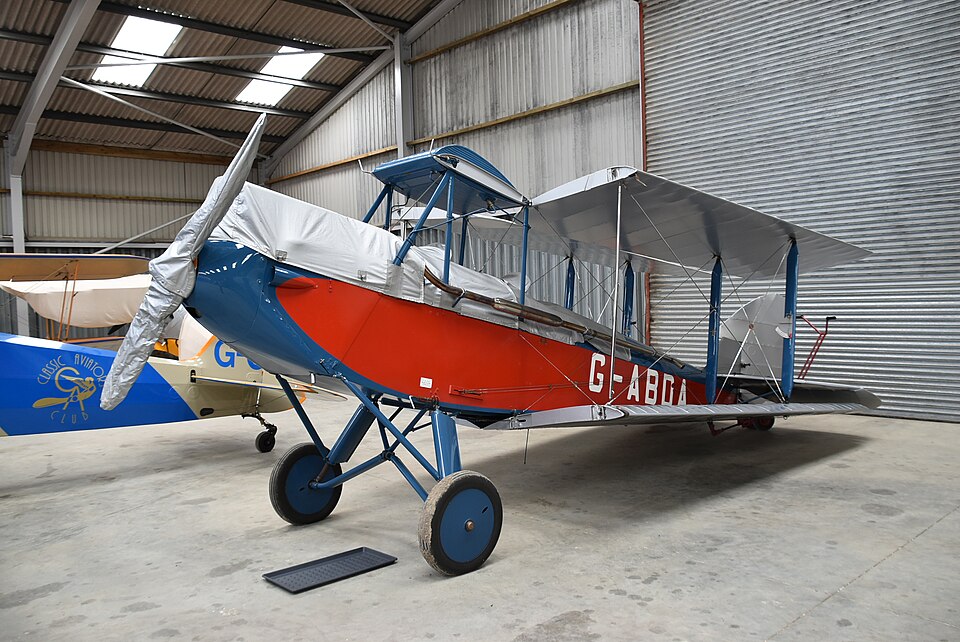
On 5 May 2008 at 1117 UTC, a de Havilland DH60G Gipsy Moth, registration G-ABDA, was involved in an accident approximately 1 km south of Perth Aerodrome in Perthshire. The aircraft, built in 1931 and powered by a single De Havilland Gipsy 1 piston engine, was being operated on a private flight with one pilot and one passenger. Neither occupant was injured. The aircraft sustained substantial damage: the landing gear collapsed, the engine detached from the fuselage, the propeller was broken, and the leading edges of the wings and fuel tank were damaged.
Flight History
The aircraft was on a touring trip from its base in southern England and had arrived in Perth the previous day, where it was parked in a hangar overnight. The owner, a qualified private pilot with limited time on type, intended to fly to Strathallan accompanied by an experienced Tiger Moth instructor. The pilot flew from the front cockpit while the owner operated the controls from the rear cockpit. The planned departure was delayed to allow early morning mist to clear. The aircraft was parked on the grass apron, where the engine was started with the owner in the rear cockpit and the pilot hand-swinging the propeller. As the aircraft had no brakes, engine warm-up and power checks were performed using chocks. After removing the chocks, the pilot boarded and taxied to holding point B for departure on Runway 09, using approximately 420 m of the 609 m runway to avoid a back-track manoeuvre.
Takeoff and initial climb appeared normal. At about 300 ft, the pilot noted a loss of engine power and asked the owner to confirm the carburettor air heat control (located only in the rear cockpit) was in the OFF position. Despite full throttle, the engine continued losing power and the aircraft began descending. The pilot turned approximately 30° left to avoid houses and power lines and prepared for a forced landing in a large field of oilseed rape. A MAYDAY was declared with Perth Radio. The pilot reported that the carburettor air heat control remained in the OFF position throughout the flight.
Forced Landing
The landing was made in a three-point attitude. The initial landing roll was normal until the left wheel encountered a deep furrow, causing the aircraft to yaw left and come to rest tipped onto its nose. There was no fire. Both occupants were uninjured and able to leave the aircraft unassisted. The airport fire service, alerted by the radio operator, arrived quickly on the scene.
Post-Accident Examination
Initial examination of the engine revealed no obvious signs of mechanical failure. The pilot, in hindsight, considered carburettor icing as a potential cause of the power loss. The weather conditions were highly conducive to carburettor ice formation: the morning had been misty, the grass was wet, and the surface temperature at the nearest major airfield (RAF Leuchars, 17 nm east) was 20°C. Reference was made to CAA Safety Sense Leaflet No 14b, Piston Engine Icing.
Discussion
The aircraft was equipped with a manual carburettor air heat control, operable only from the rear cockpit. In contrast, many Tiger Moth aircraft have an automatic carburettor heat system. The pilot, experienced on a similar type with automatic heat, noted that the lack of a control in the front cockpit may have contributed to not selecting carburettor heat before takeoff. However, no causal link is established beyond this observation. Any further findings from future repair or overhaul activity will be reported separately.