Aircraft and Pilot Information
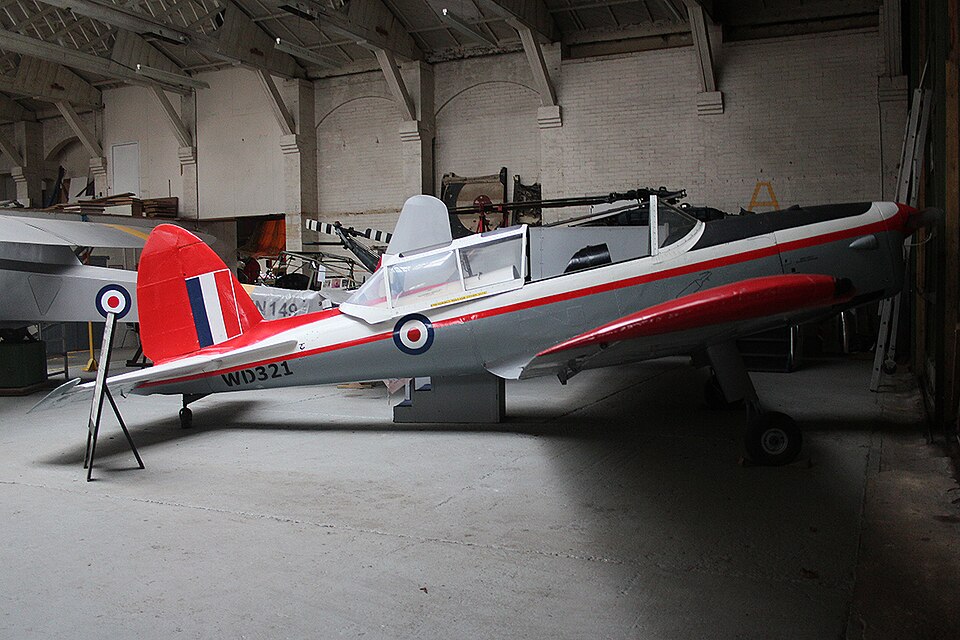
The aircraft involved was a DHC-1 Chipmunk 22, registration G-BDCC, manufactured in 1955. It was powered by a single Lycoming O-360-A4A piston engine. The flight was private, with only the pilot on board. The pilot, aged 22, held a Private Pilot's Licence and had accumulated 219 flying hours, of which 86 were on the type. In the previous 90 days, the pilot had flown 86 hours, including 55 hours in the last 28 days.
Accident Details
On 3 June 1999 at 1400 hours UTC, the aircraft was engaged in aerotow glider launching at Husbands Bosworth Airfield, Leicestershire. Four aerotows had been completed earlier that morning. Due to wet grass conditions and a minimal headwind component, it was decided to move the start point for take-off to provide an extra 200 yards of take-off distance. During the subsequent take-off roll, the tug aircraft and the two-seat glider combination did not accelerate beyond 40 kt. The glider pilot released the tow rope and stopped the glider on the airfield. The tug pilot confirmed that the glider was clear, then closed the throttle and applied the brakes. The brakes were effective initially, but the aircraft then began to skid on the wet grass surface. It subsequently struck the boundary fence at a fast walking pace.
Aftermath
The pilot reported no injuries. Damage sustained included damage to the wings, aileron, propeller, and fuselage. In retrospect, the tug pilot believed that if full power had been maintained after the glider released, the aircraft would have been able to become airborne within the remaining distance.