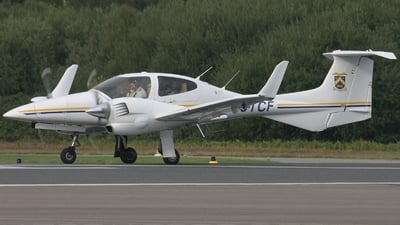
Aircraft and Flight Details
The Diamond DA42 Twin Star, registration G-CTCF, was manufactured in 2005 and powered by two Thielert TAE 125-02-99 piston engines. The aircraft was on a training flight with two crew members on board. The commander, aged 41, held a Commercial Pilot's Licence and had accumulated 2,599 total flying hours, including 705 hours on type. In the last 90 days, he had flown 29 hours, with 9 hours in the last 28 days.
Accident Description
On 30 May 2008 at 1700 hrs UTC, after landing at Bournemouth International Airport, the aircraft taxied to its parking position. As it came to a stop, the landing gear unsafe warning illuminated. The pilot reported that the landing was not considered heavy, but the subsequent de-rotation to nose gear touchdown was described as firm.
Damage and Inspection
Inspection of the nose landing gear revealed that a nose gear strut retaining bolt had separated from a bracket on the nose gear bay sidewall. This allowed the strut to rest against the wall, causing damage to wiring associated with the nose gear warning system. The nature of the damage was limited to the nosewheel retaining bolt detaching from its bracket.
Maintenance Assessment
Maintenance personnel who examined the aircraft considered that the sidewall of the nose gear bay could have flexed at nose gear touchdown, allowing the retaining bolt to be dragged from its bracket when nose wheel steering was used at full deflection during parking.