What happened
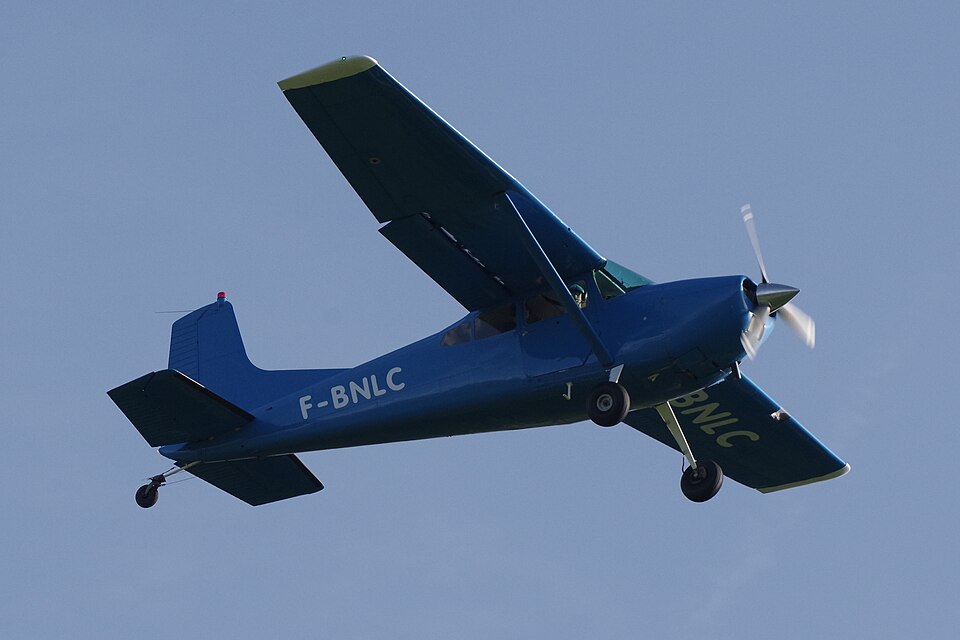
On August 20, 2011, a Cessna 185 B, registered F-BNLC, was conducting a skydiving mission near the Vesoul aerodrome. While climbing through 2,700 feet, approximately 8 nautical miles from the airfield, the pilot heard a loud detonation originating from the engine. This was immediately followed by oil spraying onto the windshield and a significant drop in engine RPM to approximately 1,500, despite the pilot maintaining full throttle.
The pilot initiated a turn to return to the airfield and notified air traffic control of the engine malfunction and the intention to land at Vesoul. Due to the deteriorating engine parameters and the low altitude—approximately 900 meters—the pilot decided to evacuate the passengers. Only two of the four passengers were able to jump; the tandem instructor and student could not safely exit at that height. Realizing the aircraft would not reach the runway, the pilot performed a forced landing in a cornfield roughly 3.3 nautical miles from the runway. The aircraft sustained damage to the leading edge of the left wing during the landing roll.
The investigation
The investigation focused on the mechanical failure of the Continental IO 520 D engine, which had 798 hours of total time since being installed in 2006. The engine had undergone a 50-hour inspection on August 9, 20 11, and had operated for only 12 hours and 20 minutes since that service.
Physical examination of the engine revealed a hole in the crankcase near cylinder number 4. Investigators noted that the piston from that cylinder was missing, though the connecting rod remained attached to the crankshaft, where it had been broken. The engine was sent to the manufacturer, Continental, in the United States for analysis; however, the manufacturer did not provide any findings to the investigators.
Findings
- The engine experienced a failure of the connecting rod.
- The mechanical cause of the rod's breakage could not be definitively established due to the lack of results from the manufacturer's examination.