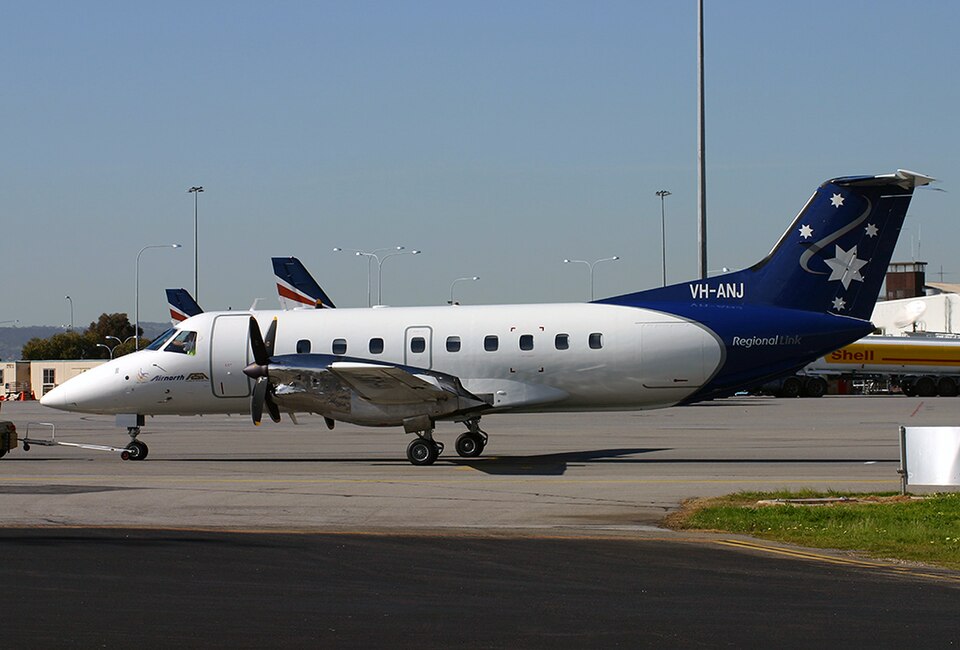
Incident Overview
A scheduled domestic flight from Hamilton to Melbourne, with an intermediate stop at Warrnambool, Victoria, landed uneventfully at Warrnambool at 2159 hours GMT. After a 17-minute ground stop during which load changes occurred, the aircraft taxied to runway 31 for takeoff. Pre-takeoff checks indicated no abnormalities.
Takeoff and Power Loss
Shortly after becoming airborne, and before the undercarriage was retracted, a loss of engine power occurred. The pilot-in-command deduced that the port engine had failed and feathered its propeller. However, he then realized that the starboard engine was delivering only partial power, which was insufficient to sustain flight.
Emergency Landing
The pilot immediately selected a suitable area and executed a landing with wheels and flaps retracted in grassy paddocks on level terrain. During the landing, the aircraft passed through three fences before coming to rest. All occupants survived the incident.
Damage
The aircraft sustained substantial damage and was written off.
Probable Cause
The official finding stated that the cause of the accident was that the pilot-in-command, on becoming aware of a loss of engine power, took action to feather the propeller after adopting procedures which failed to ensure correct identification of the defective engine.