Accident Overview
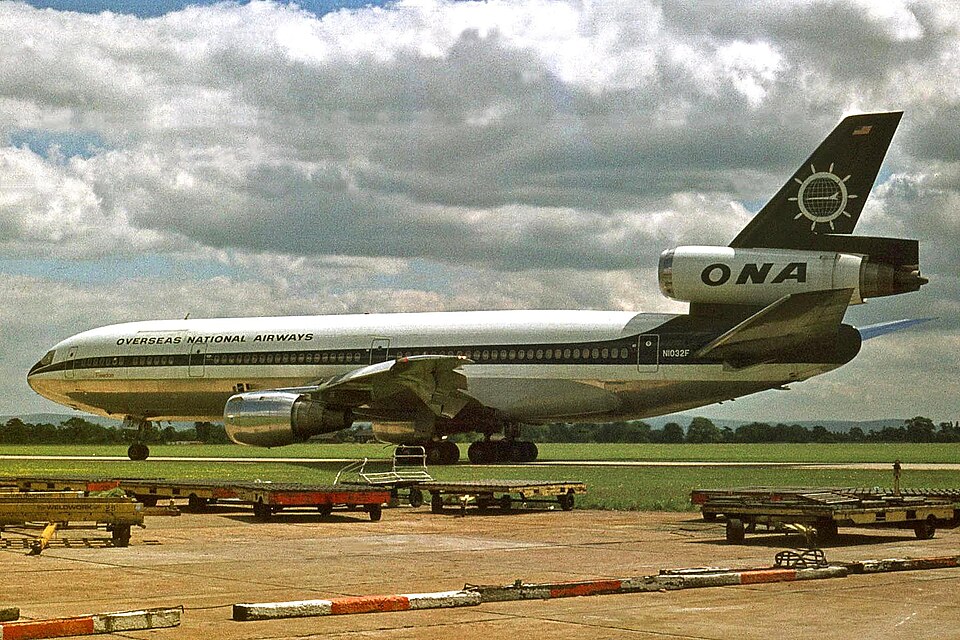
An aircraft operating a positioning flight from New York to Jeddah via Frankfurt, carrying only ONA employees, began its takeoff from runway 13R at 13:10. After accelerating past 100 knots but before reaching V1, a flock of birds rose from the runway. The aircraft struck multiple birds, leading to a rejected takeoff. Bird strikes damaged the fan blades of the No. 3 engine, resulting in rotor imbalance. The imbalance caused fan-booster stage blades to rub against the epoxy micro balloon shroud material, generating pulverized debris. This debris entered the high-pressure compressor (HPC) area, ignited, and caused the compressor case to separate. A fire erupted in the right wing and the No. 3 engine pylon.
Runway Excursion and Evacuation
The aircraft could not be stopped on the runway. The pilot-in-command steered the aircraft off the runway onto taxiway Z at a speed of 40 knots. Upon exiting, the main undercarriage collapsed, and the aircraft came to rest against the shoulder of the taxiway. Evacuation was successful, which was partially attributed to the fact that nearly all passengers were trained crew members.
Probable Cause
The official findings state that the probable cause of the accident was the disintegration and subsequent fire in the No. 3 engine when it ingested a large number of seagulls. Following engine disintegration, the aircraft failed to decelerate effectively due to the following factors: the No. 3 hydraulic system was inoperative, leading to loss of the No. 2 brake system and a 50% reduction in braking torque; the No. 3 engine thrust reversers were inoperative; at least three tires disintegrated; the No. 3 system spoiler panels on each wing could not deploy; and the runway surface was wet.
Contributing Factors
Contributing factors included the bird-control program at John F. Kennedy Airport not effectively controlling the bird hazard on the airport, and the FAA and General Electric Company failing to consider the effects of rotor imbalance on the abradable epoxy shroud material when the engine was tested for certification.