6 fatalities

1951-11-24: Douglas DC-4 (4X-ADN) — El Al Israel Airlines — Zurich, Switzerland

Zurich, SwitzerlandLanding (descent or approach)

On November 24, 1951, a Douglas DC-4 (registration 4X-ADN) operated by El Al Israel Airlines was involved in an aviation accident near Zurich, Switzerland during landing or approach. 6 people were killed. Investigators recorded the probable cause as: The pilot-in-command did not realize his altitude was insufficient due to poor visibility caused by night and foggy conditions. This summary draws on records from the Bureau of Aircraft Accidents Archives (B3A); 2 related events involving the same aircraft type or operator are linked below.

Sourcesthe Bureau of Aircraft Accidents Archives (B3A)Primary reportUpdated 1781255434Data APIEditorial standards
Aircraft registered 4X-ADN
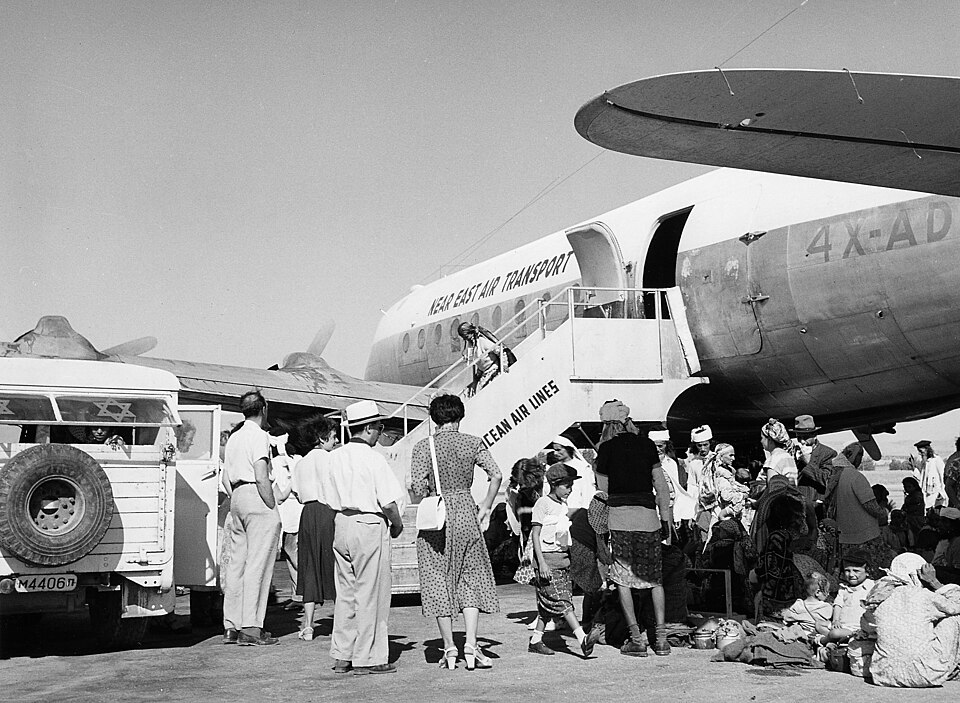
Aircraft registered 4X-ADN. Photo: Fritz Cohen / Public domain, via Wikimedia Commons

On final approach to Zurich-Kloten Airport, a four-engine aircraft struck treetops and crashed in a wooded area 5 km north of the runway, killing six crew members and injuring one. The aircraft was destroyed by post-crash fire.

Accident Sequence

During final approach to Zurich-Kloten Airport, the pilot-in-command failed to maintain sufficient altitude due to poor visibility resulting from night conditions and fog. The four-engine aircraft struck tree tops and subsequently crashed in flames in a wooded area approximately 5 kilometers north of the threshold of runway 16. The impact and ensuing fire destroyed the aircraft.

Crew and Occupants

The aircraft carried a crew of seven. Six crew members were killed: Captain Theodore Gibson (pilot), Captain Robert Constant (copilot), George Henninger (navigator), Morgen Jensen, Terence Melly (copilot), Shlomo Levity, and Michael Querzia (radio operator). One additional crew member was injured. The source does not specify the role of all deceased individuals beyond those listed.

Investigation Findings

The investigation determined that the pilot-in-command did not realize his altitude was inadequate. This was attributed to the combination of night and foggy conditions severely limiting visibility. No other causal factors are mentioned in the source.

Aircraft Damage

The aircraft was destroyed by the post-crash fire that engulfed the wreckage after the collision with trees and the ground.

Probable cause

The pilot-in-command did not realize his altitude was insufficient due to poor visibility caused by night and foggy conditions.