Incident Summary
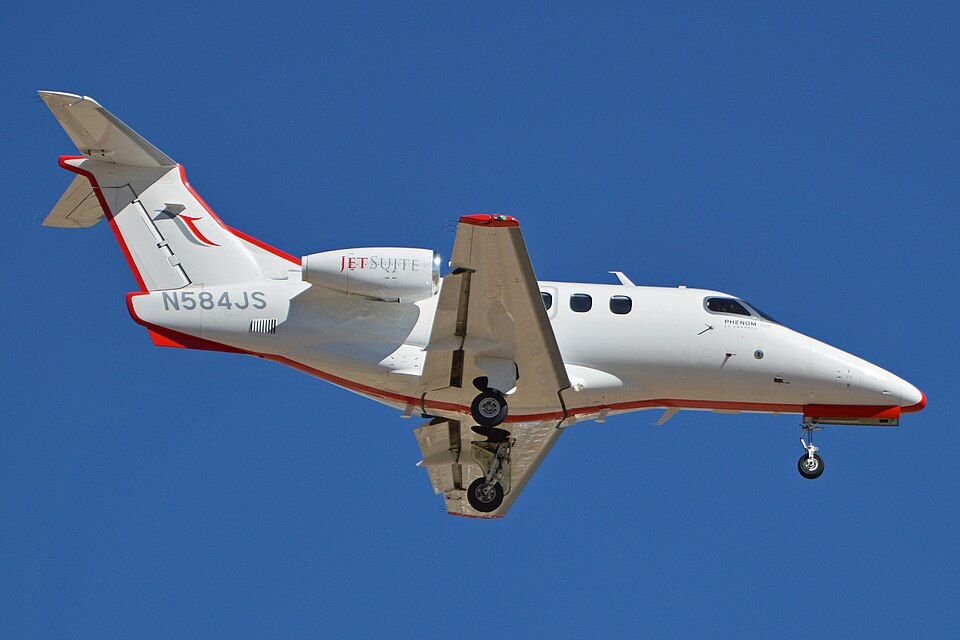
The pilots of a very light jet were conducting a positioning flight in instrument meteorological conditions. Air traffic control cleared the flight for an instrument landing system (ILS) approach, and the tower controller reported no standing water on the runway. The airplane crossed the displaced threshold and touched down, but did not stop on the runway, continuing past the end, crossing a service road, and coming to rest in a drainage ditch.
Flight Data
Flight data recorder (FDR) information showed that the airplane reached 50 ft above touchdown zone elevation (TDZE) at an indicated airspeed of 118 knots (KIAS). It crossed the displaced threshold at about 112 KIAS and touched down at 104 KIAS with approximately a 7-knot tailwind. The operator's standard operating procedures required a go-around if the airspeed at 50 ft above TDZE exceeded 111 kts. The airplane flight manual (AFM) landing distances are based on the airplane slowing to its reference speed (Vref) of 101 KIAS at 50 ft over the threshold; the actual speed exceeded Vref, increasing the required stopping distance.
Braking and Deceleration
About 1.6 seconds after main landing gear touchdown, the nose gear touched down, and the pilot's brake pedal input increased with intermediate oscillations over 7.5 seconds before reaching full pedal deflection. During this period, the airplane achieved its maximum wheel braking friction coefficient and deceleration. The cockpit voice recorder captured both pilots expressing concern that the airplane was not slowing. Approximately 4 seconds after reaching maximum deceleration, the pilot engaged the emergency parking brake (EPB). Upon EPB application, wheel speed dropped to zero, and the airplane began to skid, resulting in reverted-rubber hydroplaning, which further reduced stopping performance.
Performance Analysis
Postaccident examination of the brake system and data from the brake control unit indicated that the brakes functioned as commanded. The airplane was not equipped with thrust reversers or spoilers. Landing distance calculations per the AFM showed that the airplane should have been able to stop on the available runway. An airplane performance study also indicated adequate distance if maximum braking had been continued instead of engaging the EPB. The EPB caused skidding, increasing the stopping distance. Although the runway was not contaminated with standing water, the maximum wheel braking friction coefficient was significantly lower than the value used for unfactored wet runway landing distances in the AFM, and was more consistent with AFM figures for runways with standing water. Federal Aviation Administration Safety Alert for Operators (SAFO) 15009 warns that wet runway advisory data may not provide a safe stopping margin under all conditions and advises assuming medium or fair braking action.
Official Probable Cause
The pilot's engagement of the emergency parking brake during the landing roll, which decreased the airplane's braking performance and prevented it from stopping on the available runway. Contributing to the pilot's decision was the expectation of a faster deceleration rate and considerably shorter wet runway landing distance provided by the AFM than experienced, and an actual wet runway friction level lower than assumed in the AFM's stopping distance calculations.