History of the Flight
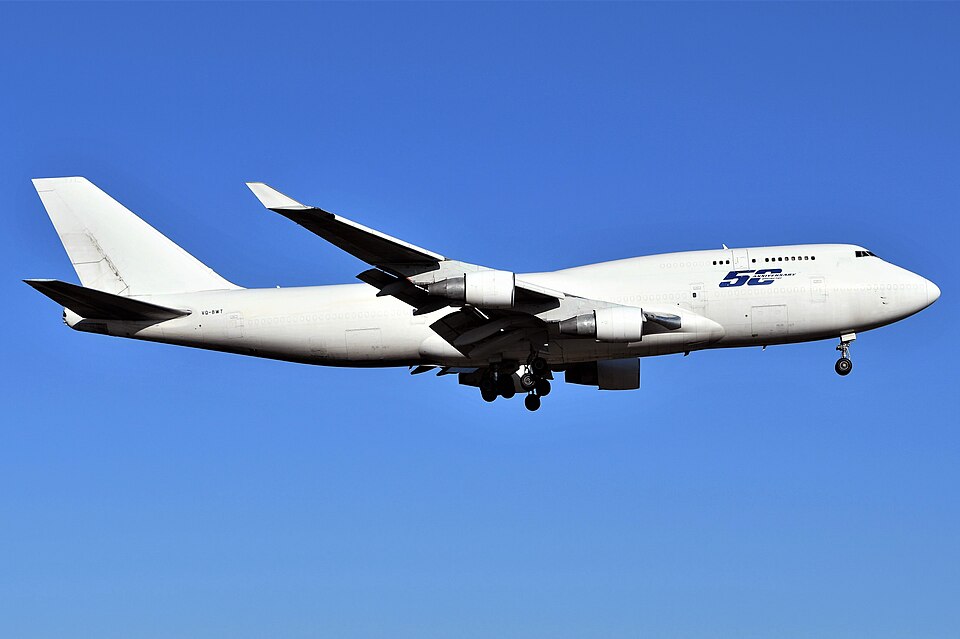
On Saturday 20 February 2021, a Boeing 747-400 operated by Longtail Aviation as a freighter flight experienced a contained engine failure during the initial climb from Runway 21 at Maastricht Aachen Airport in the Netherlands. The flight crew shut down the affected engine and diverted to Liege Airport in Belgium, where a safe landing was made.
Injuries and Damage
Engine parts exited the tail pipe and fell in the village of Meerssen, located approximately 2 kilometers south of the runway end. Two people were injured, and property including houses and cars was damaged.
Investigation and Cause
The Dutch Safety Board investigated the serious incident. The investigation determined that the turbine of engine number one failed. The failure was caused by high gas temperatures that persisted for an extended period in the high pressure turbine, leading to wear and deformation of outer transition duct panels. One panel came loose and another fractured, resulting in severe turbine damage and debris exiting the tail pipe.
The engine was equipped with new outer transition duct panels but lacked additional cooling features specified in Service Bulletin 72-462, which was not mandatory. The non-installation of these cooling features was identified as the cause of the high gas temperatures. The operator did not have documented reasoning for not incorporating the service bulletin; however, the initial decision would have been made by a previous operator.
Recommendations
The Dutch Safety Board issued three recommendations: (1) Longtail Aviation should maintain complete and accessible records of service bulletin implementation for leased engines; (2) The FAA should reconsider making Service Bulletin 72-462 mandatory via an Airworthiness Directive in light of third-party risk; (3) The Minister of Infrastructure and Water Management should perform and publish an assessment of risks from departing aircraft parts for residential areas around Maastricht Aachen Airport.