Synopsis
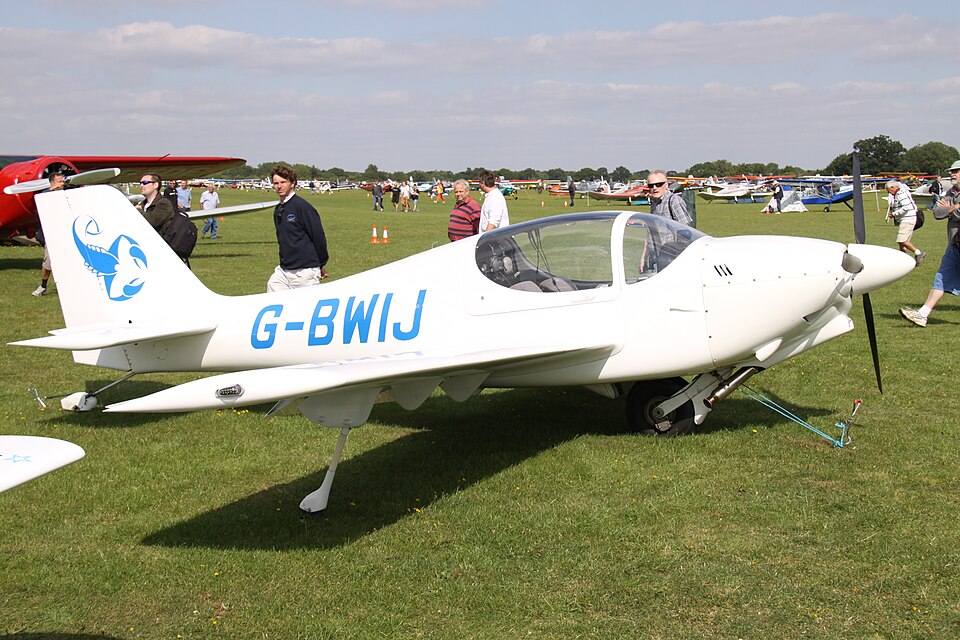
A Europa aircraft, registration G-BWIJ, experienced a seizure in its landing gear extension/retraction system during a test flight on 23 May 2007. The aircraft was undergoing a series of test flights following its construction by the owner, with a view to obtaining its first Permit to Fly. The accident flight was the fourth test flight. The landing gear became stuck in an almost fully retracted position, forcing the pilot to execute a gear-up landing. The aircraft sustained minor damage, and the pilot was uninjured.
History of the Flight
The pilot, a 67-year-old private pilot with 1,794 hours total flying experience (369 on type), conducted a pre-flight inspection and took off from Kemble Airfield in Gloucestershire. Shortly after takeoff, the pilot attempted to retract the landing gear but found the gear lever became "solid" as it was moved toward the retracted position. The pilot discontinued the test flight and returned to the airfield. On the downwind leg, the pilot found the gear lever seized and could not move it to the extend position. The pilot flew past the ATC tower, and the controller reported the landing gear appeared in its normal retracted position. While keeping ATC informed, the pilot flew north and performed negative and positive 'g' manoeuvres with adverse yaw to free the gear, but to no avail. After several attempts, the pilot elected to carry out a flapless gear-retracted landing on the up-slope high-friction section of the runway. After stopping the engine, the approach and touchdown were as planned, and the aircraft quickly came to a halt. Smoke appeared in the cockpit from the rubbing tyre in the wheel well, but there was no fire. The pilot evacuated without difficulty.
Engineering Examination
The pilot, also a PFA Inspector, conducted a detailed examination of the landing gear system. The investigation found that the aluminium bronze pivot bearings (part number LG03) that allow the main landing gear swinging arm to rotate around the landing gear mounting frame had seized onto the steel shaft of the mounting frame. Evidence of aluminium bronze pick-up and corrosion was present on the steel shaft.
Inspection Requirements
After final assembly, there is no requirement to dismantle the aluminium bronze pivot bearings to inspect their condition. An annual requirement exists to place the aircraft on trestles and retract and extend the landing gear; a satisfactory functional check does not require further detailed examination of the extension/retraction system.
Other Information
The aircraft was completed near the end of 2006 after a build lasting several years. Following the third test flight, the engine coolant was found to be above normal operating temperature. The aircraft was dismantled and transported uncovered on an open trailer to a facility for larger radiators. During the road journey, a heavy rainstorm was encountered. The aircraft was then stored for approximately two months in an unheated covered facility while awaiting the radiator fitting. It is possible this exposure contributed to corrosion in the landing gear system.