Accident Details
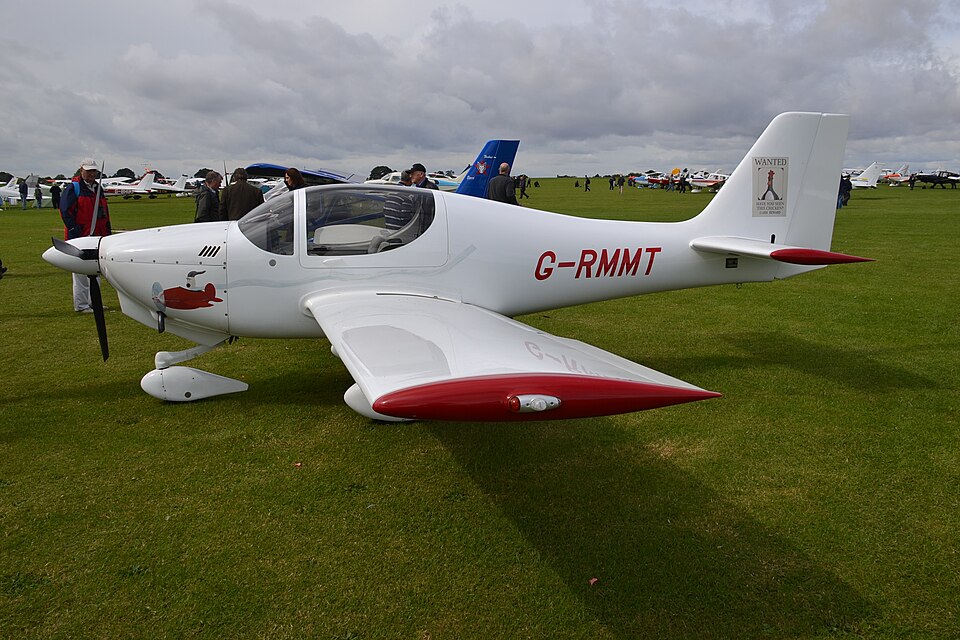
The aircraft, a Europa XS registered G-RMMT, was on a test flight for a Permit to Fly on 21 May 2005 at 1200 UTC, approximately 1/4 nm north of Tollerton Airport, Nottinghamshire. The flight crew consisted of a pilot (holder of a Private Pilot’s Licence, age 70, with 4,831 total hours) and an observer (the owner/builder). After an initial uneventful sortie, the second circuit began normally. On downwind, power was reduced, 10° of flap selected, and the aircraft turned onto base leg at 70 kt. While intercepting the extended centreline at 500 ft, the pilot opened the throttle to adjust descent rate but the engine did not respond. The pilot instructed the observer to select reserve fuel and switch on the secondary fuel pump. A MAYDAY was declared; the engine continued to run but did not respond to throttle. A successful forced landing was carried out in a field. No injuries were reported, and the aircraft sustained no damage.
Subsequent Actions
The aircraft was de-rigged and recovered to Tollerton. The UK agent for the engine manufacturer conducted a detailed examination, including extensive ground running, but could not reproduce the fault. The PFA was informed. Additional checks were performed, and further test flights were conducted without detecting defects. However, on a subsequent flight, the same symptom recurred: power could not be restored after a descent. Another forced landing was carried out successfully. The aircraft was again de-rigged and moved to Tollerton.
Investigation Findings
During a more extensive engine examination, the UK agent determined that the engine was equipped with an obsolete standard of stator for the dual ignition system. This stator had been subject to a Mandatory Service Bulletin issued by the manufacturer years earlier, requiring replacement with a modified design. The bulletin arose from a known issue: a particular insulated cable in the stator assembly deteriorated in service, allowing its two conductors to short and leading to ignition failure at high power. The cable in G-RMMT was found to have soft, pliable insulation, indicating deterioration similar to that described in the bulletin. The modified stator uses two separate individually insulated cables with different insulation material. The bulletin had been applied to all engines supplied to UK customers by the UK agent, but the engine in G-RMMT had been sourced in the USA and installed there before the aircraft was shipped to the UK. Its precise history before installation was not established.