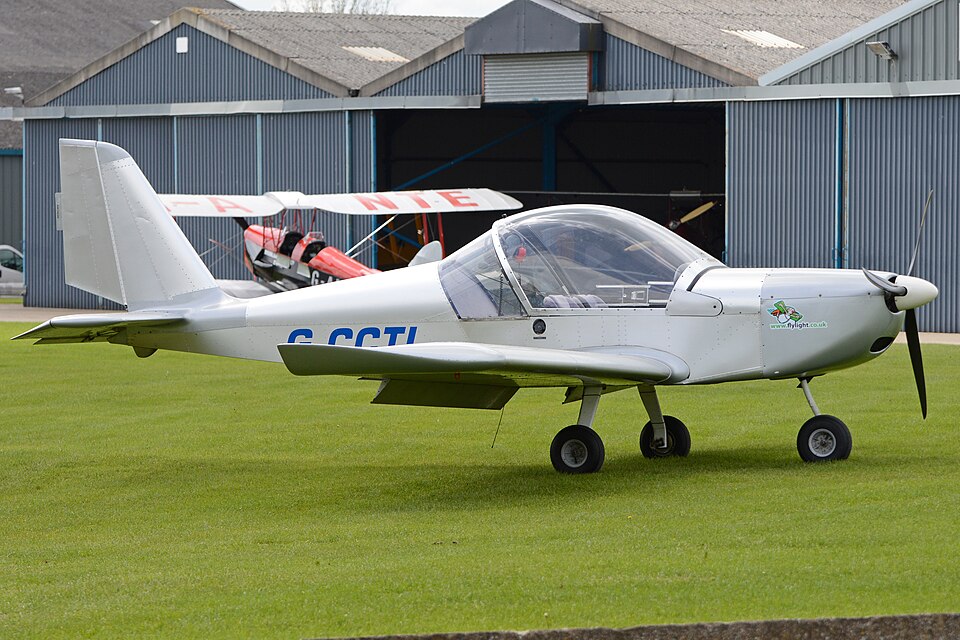
Accident Overview
On 4 June 2010 at 1615 UTC, an EV-97 TeamEurostar UK microlight aircraft, registration G-CCTI, was involved in an accident during a training flight at Sywell Airport, Northamptonshire. The aircraft was manufactured in 2004 and powered by a single Rotax 912-UL piston engine. The sole occupant was a 69-year-old student pilot with a total of 128 flying hours, including 54 hours on type. The flight was conducted in benign weather conditions.
Sequence of Events
The pilot had completed a dual instructional flight with an instructor, followed by a briefing for solo circuits. After refuelling, the aircraft took off for the solo circuits, which were not the pilot's first. During the first touch-and-go landing, the aircraft bounced three times. On the second and third bounces, the aircraft struck the ground nosewheel first, with the third bounce being the most severe. The pilot initiated a go-around, and the instructor, through the tower, requested that the pilot land after the next approach. The pilot subsequently completed what the instructor described as a "perfect landing."
Damage and Injuries
The damage to the aircraft was not immediately apparent and was discovered after the aircraft returned to the apron. The damage included the nose leg, firewall, engine mount, and the floor area around the rudder pedals. The pilot, wearing a full harness, sustained no injuries.
Pilot's Assessment
The pilot considered that the initial bounce was caused by insufficient pitch-up attitude during the flare.