Flight and Witnesses
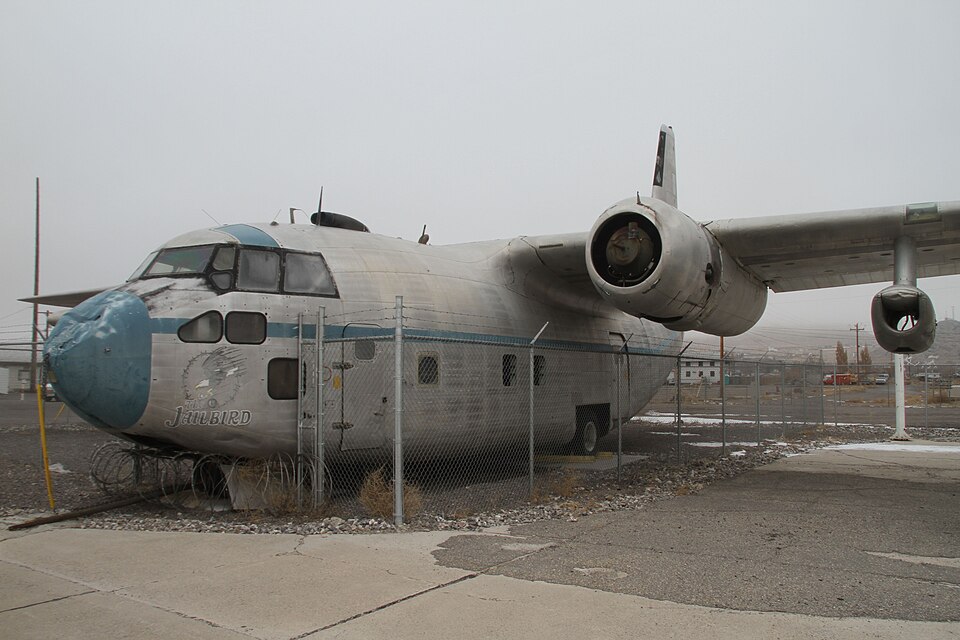
The pilot, co-pilot, and a passenger departed on a day VFR cross-country flight to deliver cargo in a large, 1950s-era former military transport category airplane. The pilot did not file a flight plan and had no communication with air traffic control during the flight. While en route, witnesses observed the airplane flying slowly across a valley near the entrance of a national park, which was not the intended route of flight. The airplane suddenly pitched up, stalled, and dived into wooded terrain within the park. Two pilot-rated witnesses reported that the engines were operating at the time of the accident and that the landing gear was retracted.
Examination
An on-scene examination of the burned airplane structure and engines revealed no evidence of any preaccident mechanical deficiencies or any indication that the cargo had shifted during the flight. The airplane was equipped with two piston engines and two auxiliary jet engines. Examination showed that neither auxiliary jet engine had been started to assist in the event of a piston engine malfunction.
Pilot Experience Statements
A former military pilot with experience in the accident type airplane stated that the airplane was considered unrecoverable from a stall, and for that reason, pilots did not typically practice stalls in it. He also indicated that if a problem was encountered with one of the two piston engines, the auxiliary jet engine on the affected side should be started to provide additional thrust.
Probable Cause
The probable cause of the accident, as determined by the investigation, was the pilot's failure to maintain adequate airspeed to avoid a low altitude stall, resulting in a loss of control and collision with terrain. The lack of mechanical deficiencies, absence of distress communications, and the fact that neither auxiliary jet engine had been started support this finding.