History of the Flight
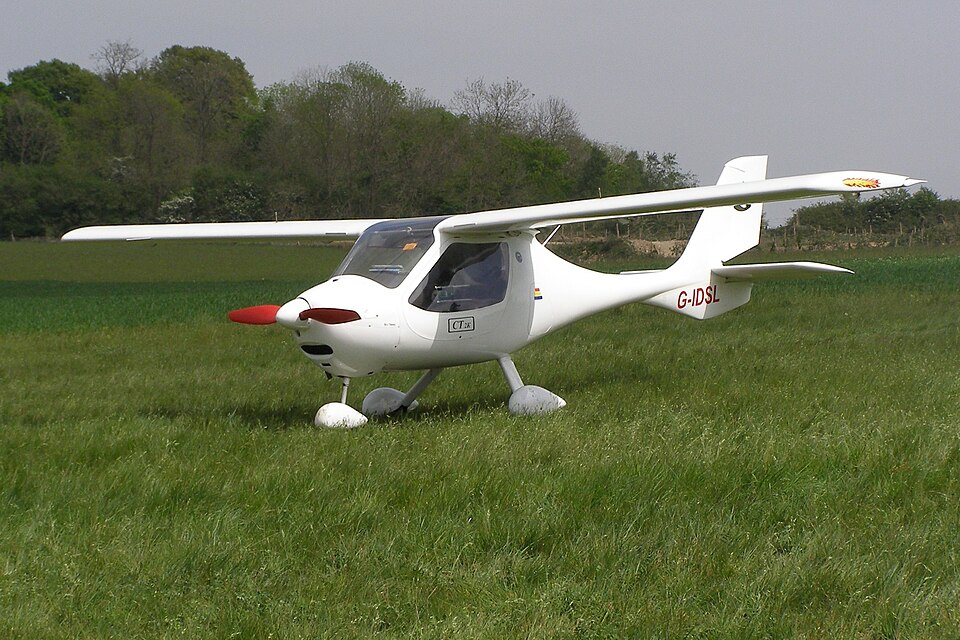
On 17 April 2010 at 1045 hrs UTC, a Flight Design CT2K (registration G-IDSL) departed from a private grass airstrip near Frensham, Surrey, for a solo flight to Calais. The pilot reported no defects during the pre-flight inspection or taxi checks. The aircraft was positioned for takeoff on Runway 07 with a reported north-easterly wind of less than 5 kt. The takeoff run appeared normal, but after becoming airborne the pilot needed more right rudder pedal than expected to counteract a left yaw. Despite applying what he believed to be full right rudder, the yaw continued.
The pilot flew a wide left-hand circuit at 60 kt and attempted to land on Runway 07. On touchdown, the aircraft immediately drifted left toward soft ground beside the runway, prompting a go-around. A second landing attempt also failed. On the third approach, the pilot aligned the aircraft at an offset heading to compensate for the left drift and reduced the approach speed to stall speed plus 5 kt. The touchdown was described as firm, but the aircraft came to a stop on the runway. When taxiing, application of the right rudder pedal resulted in only a gradual right turn. The pilot was uninjured.
Inspection Findings
The aircraft is a monoplane with tricycle undercarriage and nosewheel steering. The nosewheel steering and rudder are mechanically connected to the rudder pedal assembly, which includes limit stops and a centring mechanism. Inspection by a representative of the UK type certificate holder revealed that the right rudder pedal limit stop and centring mechanism were damaged. When tested, the rudder pedals had full left travel but limited travel to the right. The right rudder pedal tube was distorted, and the engine frame, nose leg, engine mounts, and nose strut were bent or damaged. The engine mounts had shifted, dropping the front of the engine approximately 35 mm lower than normal.
Ground Handling
The aircraft was normally parked in a hangar shared with larger aircraft that required a mechanical tug. The pilot stated he was aware that the tug was regularly used to manoeuvre G-IDSL by connecting it to the nosewheel fairing attachment bolts. This had caused cosmetic damage to the fairing, so the pilot replaced the standard bolts with larger-head bolts to facilitate tug attachment. The pilot stated that the damage to the right pedal limit stop and centring mechanism most likely occurred during ground towing with the tug. He believed the distortion of the right pedal tube happened during the incident flight when he attempted full right rudder, while the nosewheel strut and engine mounts were damaged during the firm landing.
The UK type certificate holder for the aircraft stated they did not provide for nor approve the use of mechanical towing aids for this aircraft type, and they had not issued a modification to enable such attachment. As a result of this event, the type certificate holder is considering releasing a service letter addressing ground handling and adding a cautionary placard.