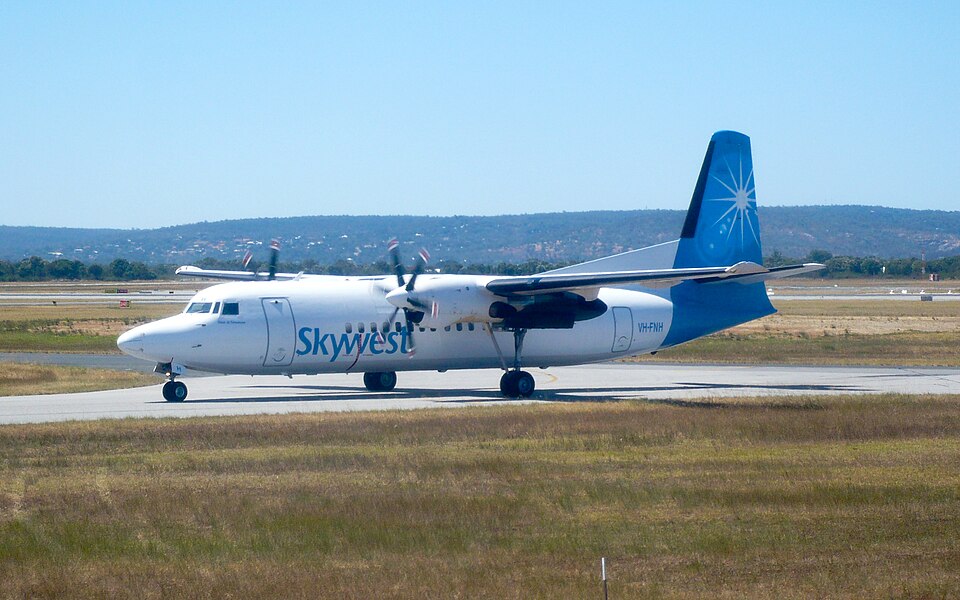
Incident Overview
The aircraft was maintaining its cruising level to avoid turbulence over the mountain area near Launceston. Just prior to turning for finals, trouble occurred in the pitch-lock mechanism of the number 1 propeller. The propeller was feathered, and the approach was continued with full flaps.
Sequence of Events
Power was not immediately increased on the remaining engine. During the turn, the high rate of descent was not arrested, resulting in a slightly low altitude. The crew added power and reduced speed to control the descent rate, but they were unable to maintain runway heading. An overshoot was attempted, but the speed had dropped below the minimum control speed. As full power was applied to the number 2 engine, the left wing dropped. The wing struck the ground, and the aircraft crashed. It came to rest 740 feet abeam the runway threshold.
Aftermath
Fuel tanks ruptured and caused a fire, which was quickly extinguished. All 23 occupants escaped uninjured. The aircraft was destroyed.